
Most tile remodel mistakes don’t come from poor craftsmanship—they come from overlooked details that trip up even seasoned pros. I’ve seen these errors cause unnecessary delays, extra costs, and frustration for homeowners and builders alike. In this post, I’ll share the top five mistakes that slip under the radar and practical ways you can avoid tile errors on your next project. Let’s set you up for a successful tile project without the headaches.
Common Tile Remodel Mistakes
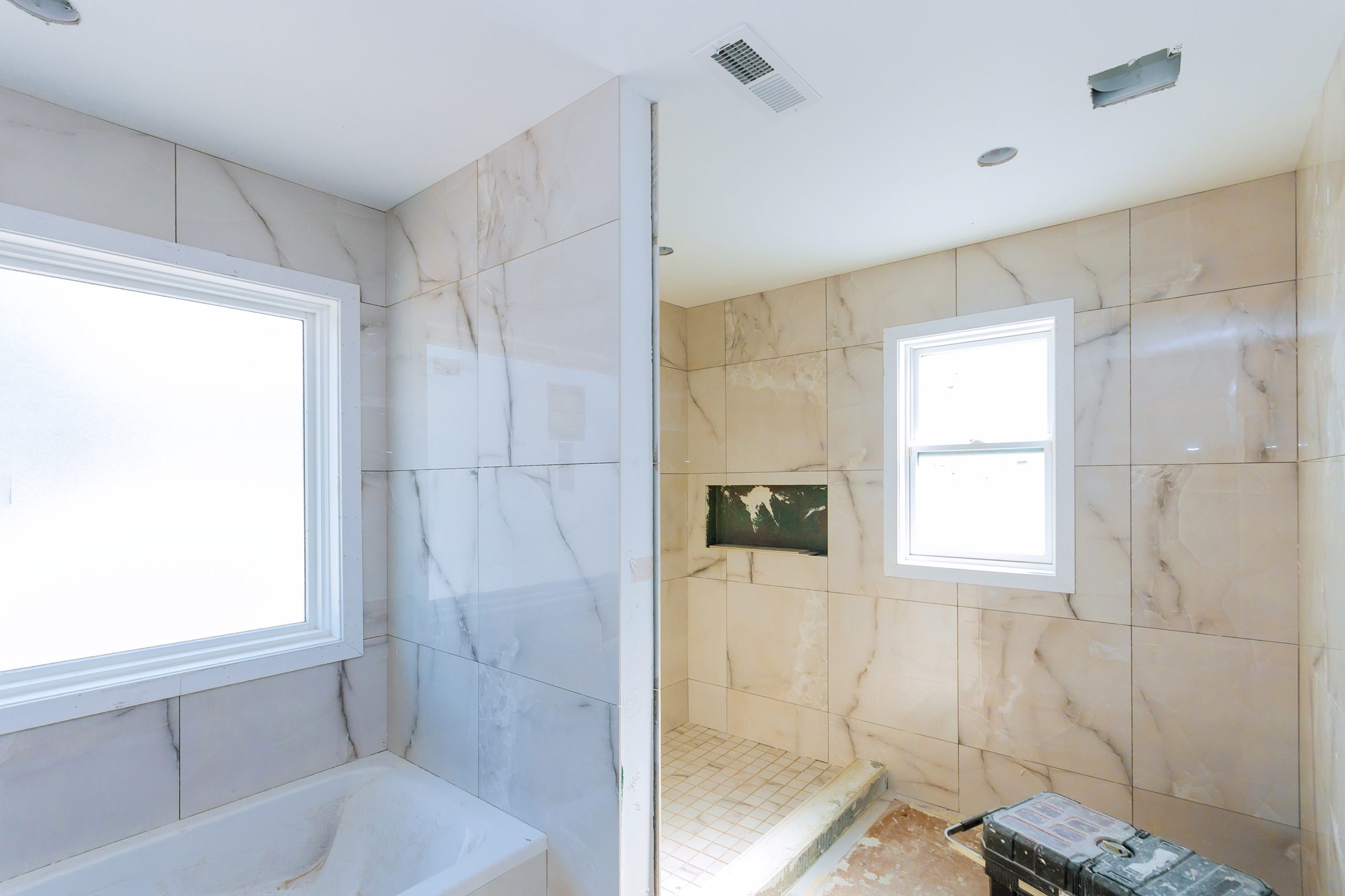
Let’s dive into the most common mistakes people make during tile remodels. These errors often seem small but can lead to big problems down the road. By understanding and addressing these issues upfront, you can save time, money, and a lot of headaches.
Ignoring Subfloor Preparation
A solid foundation is crucial for any tile project. Skipping subfloor prep is like building a house on sand. You need a flat, clean surface before you even think about laying tile. Uneven subfloors can lead to cracked tiles and uneven surfaces. Many homeowners miss this critical step, thinking they can fix it later. But once tiles are set, it’s too late.
Start by checking the floor’s level. Use a straightedge to find high or low spots. If needed, use a leveling compound to smooth things out. Remember, a well-prepared subfloor is your best defense against future tile issues. Taking the time now will pay off in the long run.
Overlooking Grout Selection
Grout might seem like a minor detail, but its impact is significant. The wrong choice can ruin the look of your tiles and affect their durability. Many people underestimate the role of grout in the overall aesthetic and function of their tile installation.
Color matters. A grout that contrasts too much with your tile can be jarring, while one that blends too closely might hide the tile’s design. Beyond color, consider the type. Epoxy grout, for example, is stain-resistant and ideal for kitchens or bathrooms. Sanded grout works well for wider joints. Making an informed choice can enhance your tile’s appearance and longevity.
Essential Tile Installation Tips
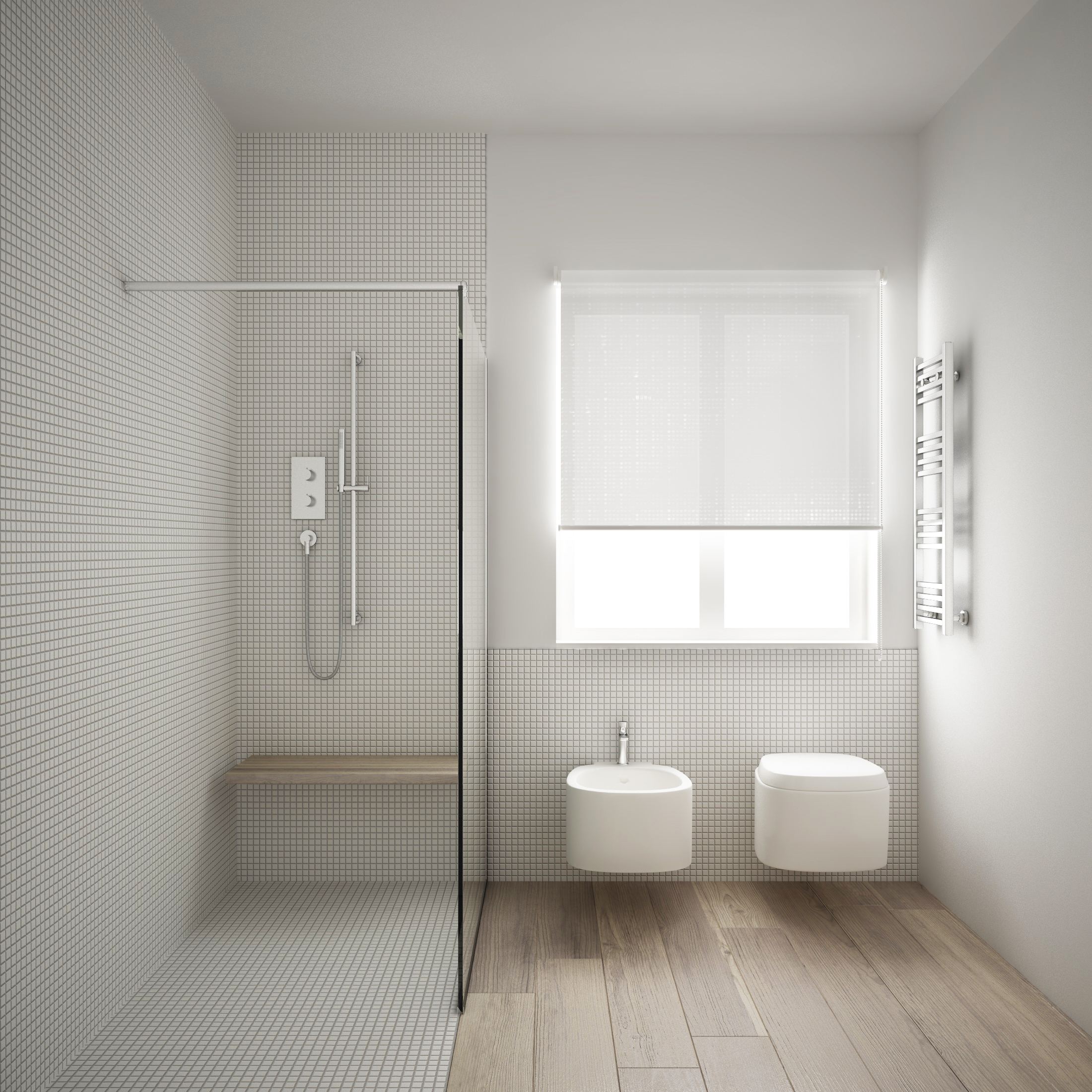
Avoiding mistakes is just the start. Next, we’ll look at some essential tips for a flawless tile installation. These strategies ensure your project not only looks great but lasts for years to come.
Prioritizing Proper Tile Layout
A well-planned layout is the backbone of any successful tile project. Jumping straight into laying tiles without a plan can lead to a messy result and wasted materials. Proper planning helps you visualize the finished project and avoid costly adjustments.
Start by measuring the space and laying out tiles without adhesive. This dry run lets you see how tiles fit and where cuts are necessary. Adjust the layout until you’re satisfied with the alignment and balance. This preparation ensures your final installation looks polished and professional.
Ensuring Adequate Adhesive Coverage
Adhesive may not be visible, but its role is critical. Skimping on adhesive leads to loose tiles and hollow sounds when walked on. Proper coverage ensures tiles stay in place and withstand wear over time.
Use the right trowel for your tile size. Larger tiles generally need a larger notched trowel for better adhesive spread. Apply evenly and press tiles firmly to create a strong bond. A little extra effort here prevents future repairs and keeps your tiles firmly in place.
How to Avoid Tile Errors
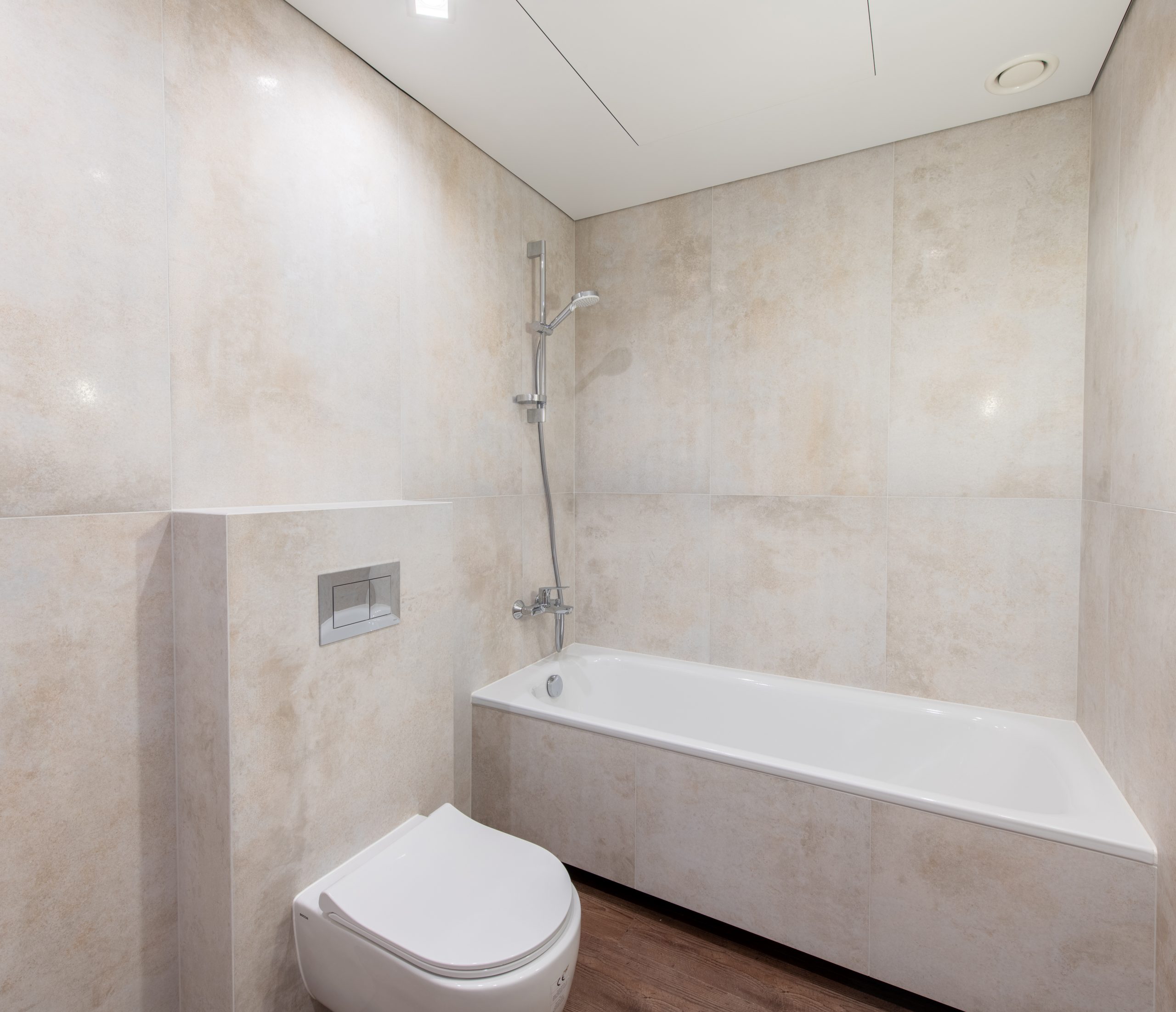
Now that we’ve covered installation tips, let’s focus on error prevention. These strategies help you address potential issues before they become costly problems.
Selecting the Right Tile Size
Tile size affects the project’s overall look and the ease of installation. Choosing the wrong size can complicate the layout and create unnecessary work. You might love the look of large tiles, but they require precise cutting and leveling.
Consider the room size and layout before selecting tile. Large tiles can make small spaces feel bigger, but they highlight uneven floors. Smaller tiles are easier to adjust to fit awkward spaces. Picking the right size simplifies installation and enhances the space’s aesthetics.
Planning for Movement and Expansion
Ignoring movement and expansion can lead to cracked tiles and grout. Rooms naturally expand and contract with temperature changes, and tiles need room to breathe. Without it, pressure builds and causes damage.
Incorporate expansion joints in your design. These flexible spaces allow for movement, preventing stress on tiles. Use them at room perimeters and large expanses. Proper planning keeps your tiles intact and your project looking great over time.
By keeping these tips in mind, your next tile remodel can be smooth and successful. Pay attention to these details, and you’ll avoid common pitfalls. Happy tiling!
Leave a Reply