
Tile installation mistakes can drain your budget before you even set a single tile. Hidden tile problems like shower waterproofing failure or uneven substrate prep often go unnoticed until costly repairs hit. With 35 years of hands-on insight, I’m sharing a clear checklist to stop expensive errors in their tracks. Read on to learn the exact steps that keep your remodel on track and your wallet intact. For more insights, check out this forum discussion.
Understanding Tile Installation Mistakes

Tile installation can seem straightforward, but beneath the surface, there are pitfalls that can turn your dream home into a nightmare. To sidestep these hidden traps, you need to be aware of what could go wrong before you even start.
Common Hidden Tile Problems
Many tile problems lurk unseen until it’s too late. Cracked tiles, loose floors, and water damage are just the beginning. These issues often arise from improper installation methods or skipped steps. Nine out of ten tile jobs miss the mark on industry standards, leading to problems like mold behind walls and grout failures. Most homeowners don’t notice until years later, when repairs become costly. The key is understanding these potential pitfalls early and ensuring your project is set up for success.
Avoiding Shower Waterproofing Failure
Waterproofing is crucial, especially in showers where moisture exposure is constant. Without proper waterproofing, showers can become breeding grounds for mold and mildew. It’s vital to ensure that your contractor includes a shower pan pre-slope and performs a flood test to verify the waterproofing. These steps protect against leaks and structural damage. Before any tile touches the floor, this foundational work must be done right.
Key Tile Substrate Prep Tips
A well-prepared substrate is the backbone of a successful tile installation. Uneven surfaces lead to tile lippage and cracked grout. To avoid these issues, ensure the substrate is flat and stable. Using an uncoupling membrane can help absorb movement and prevent cracks. Double-check that proper materials are used for your specific tile type, and insist on correct deflection standards (like L/360 for floor tile) to minimize movement that could lead to failure.
Ensuring Proper Tile Installation
After addressing initial concerns, the next step is ensuring the installation itself is up to industry standards. This involves understanding specific requirements for the materials you’ve chosen.
Flatness Tolerance for Large Format Tile
Large format tiles are popular for their sleek look, but they require careful handling. The floor must be incredibly flat to prevent issues. Flatness tolerance is crucial: the floor should vary no more than 1/8 inch over 10 feet. If this isn’t met, tiles won’t lay properly, causing uneven surfaces. This can be checked with a long straightedge. If adjustments are necessary, your contractor should correct the substrate before laying tiles.
Preventing Tile Lippage
Tile lippage, the unevenness between adjacent tiles, can make floors unsightly and unsafe. To avoid this, tiles should be laid with precision, using spacers and a level. Back buttering each tile is also essential for proper adhesion. When done correctly, this technique ensures full contact between the tile and the substrate, reducing the risk of future issues.
Importance of Movement and Expansion Joints
Tiles need room to breathe. Without movement and expansion joints, tiles can crack as they expand and contract with temperature changes. These joints, strategically placed, absorb the stress that would otherwise damage the tiles. Ensure your installer includes them in the design, especially in large tiled areas or where tiles meet different materials.
Final Checks for a Successful Remodel
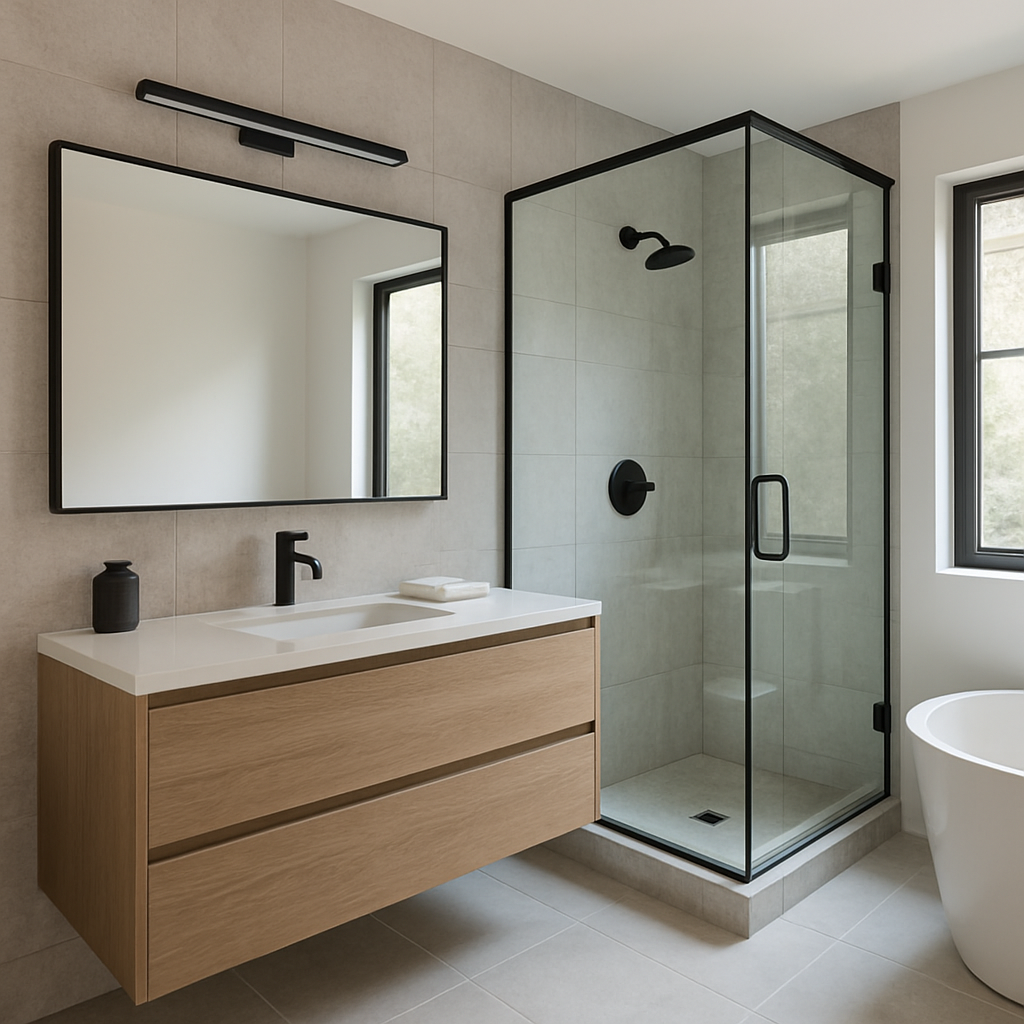
With the groundwork laid, the final phase is to ensure that all details meet high standards. This is where most installations either succeed or fail.
Thinset Coverage and Back Buttering Tile
Proper adhesion is vital for tile longevity. Thinset should cover at least 95% of the tile surface. Back buttering is a technique that helps achieve this level of coverage. It involves applying thinset directly to the back of the tile before setting it. This method ensures a solid bond and reduces the risk of tiles coming loose over time.
ANSI A108 Standards and TCNA Handbook Methods
Adhering to industry standards is non-negotiable for a lasting installation. ANSI A108 standards and TCNA Handbook methods offer guidance on everything from thinset application to grout joint size. Make sure your contractor follows these guidelines to prevent common issues like cracked grout. Insisting on these standards ensures your investment is protected.
Grout Joint Size and Rectified Tile Considerations
Finally, consider the grout joint size in relation to your tile choice. Rectified tiles allow for tighter joints, but require precision in layout and installation. The correct grout joint size not only affects the appearance but also the durability of the installation. Proper planning and execution here can prevent issues like cracking and staining, ensuring your tiles look great and last long.
By following this comprehensive checklist, you can avoid the hidden pitfalls of tile installation. Each step is a safeguard against costly mistakes. With this knowledge, you’re equipped to oversee your project with confidence. As you embark on your remodel, remember that informed decisions lead to successful results.
Leave a Reply