
Tile installation mistakes can turn your dream remodel into a costly headache fast. I’ve seen the hidden pitfalls that catch homeowners off guard—things like bathroom tile waterproofing gaps or poor floor flatness that lead to cracks and leaks down the line. In this guide, you’ll get clear, practical steps and the right questions to ask your contractor so you don’t end up fixing problems you never saw coming. For more insights, you can read about common tile installation mistakes here.
Avoiding Common Tile Mistakes
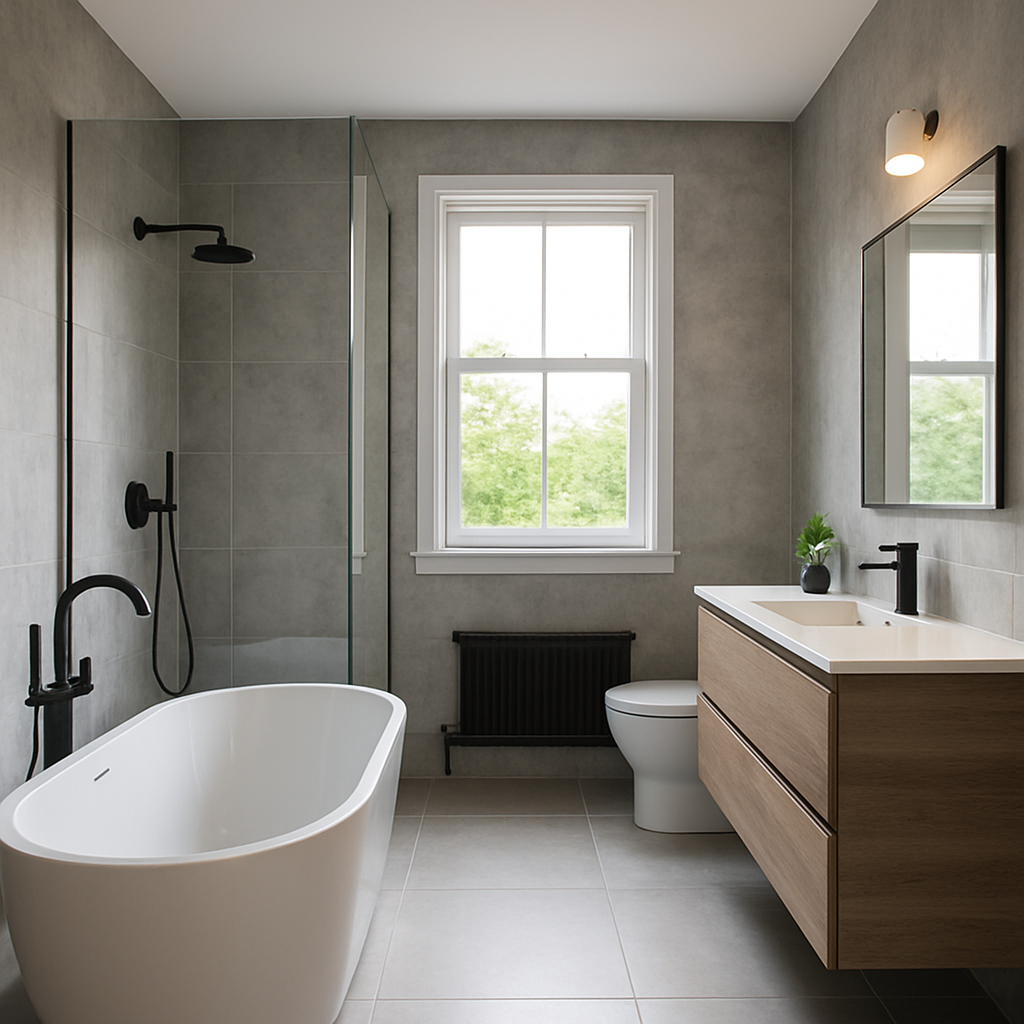
Tile jobs come with their fair share of challenges. By understanding the basics, you can sidestep common pitfalls. Let’s dive into key areas where many go wrong and how you can steer clear.
Understanding Tile Substrate Preparation
Substrate preparation is the foundation of any successful tile installation. If your base isn’t right, your tiles won’t last. Always ensure surfaces are clean, dry, and level. Uneven surfaces can lead to cracking over time, and no one wants that. When working with new construction, remember that even fresh substrates need inspection. Most people think new means perfect, but that’s not always the case. A simple check can save a world of hassle later on.
Movement Joints in Tile Explained
Tiles need room to breathe. Movement joints allow tiles to expand and contract without causing damage. Without these joints, tiles might crack under pressure. Place them at changes in plane or where different materials meet. Trust me, it’s a small step that prevents big problems. Remember, the longer you wait to address this, the more likely you are to face tile failure.
Floor Flatness for Large Format Tile
Large format tiles make rooms look sleek and modern, but they demand a flat surface. Even a slight dip can cause lippage, where tile edges aren’t even. Use a long straightedge to check for flatness before laying tiles. It’s a straightforward step, but one that guarantees a smooth finish. If you’re unsure, don’t hesitate to ask your installer about their leveling techniques.
Essential Waterproofing Techniques
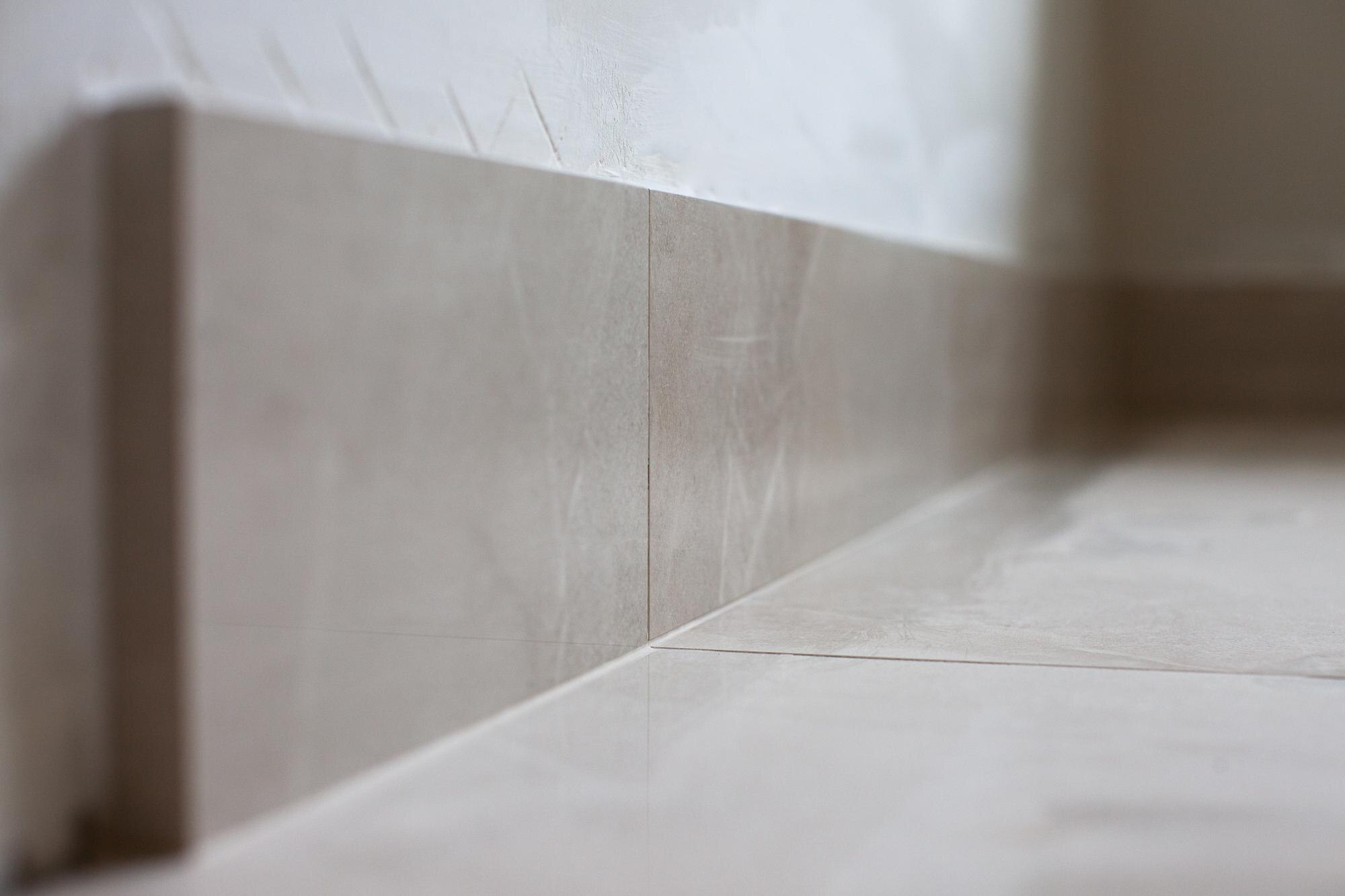
Waterproofing is your first line of defense against water damage. Proper techniques keep your tiles beautiful and your home safe. Let’s explore how you can ensure watertight installations.
Bathroom Tile Waterproofing Essentials
Waterproofing in bathrooms is non-negotiable. Start with a waterproof membrane on walls and floors. This step prevents moisture from seeping into your home’s structure. Many overlook this, thinking tiles alone are enough. They’re not. Ensure your contractor uses a reliable membrane product, and ask them about their waterproofing method.
Shower Pan Failure Prevention Tips
A shower pan that’s not properly installed can lead to leaks and expensive repairs. Make sure the pan slopes towards the drain, ensuring water flows where it should. Flood testing is a crucial step here. Fill the pan with water and let it sit for 24 hours to check for leaks. Don’t skip this test, as it’s your last chance to catch any issues before tiling begins.
Curb and Niche Waterproofing Strategies
Curbs and niches are prone to water damage if not waterproofed correctly. Apply a waterproof membrane to these areas, and seal all edges. When discussing with your contractor, ask how they ensure these tricky spots are protected. Their answer will reveal their attention to detail and experience level.
Navigating Tile Layout and Installation
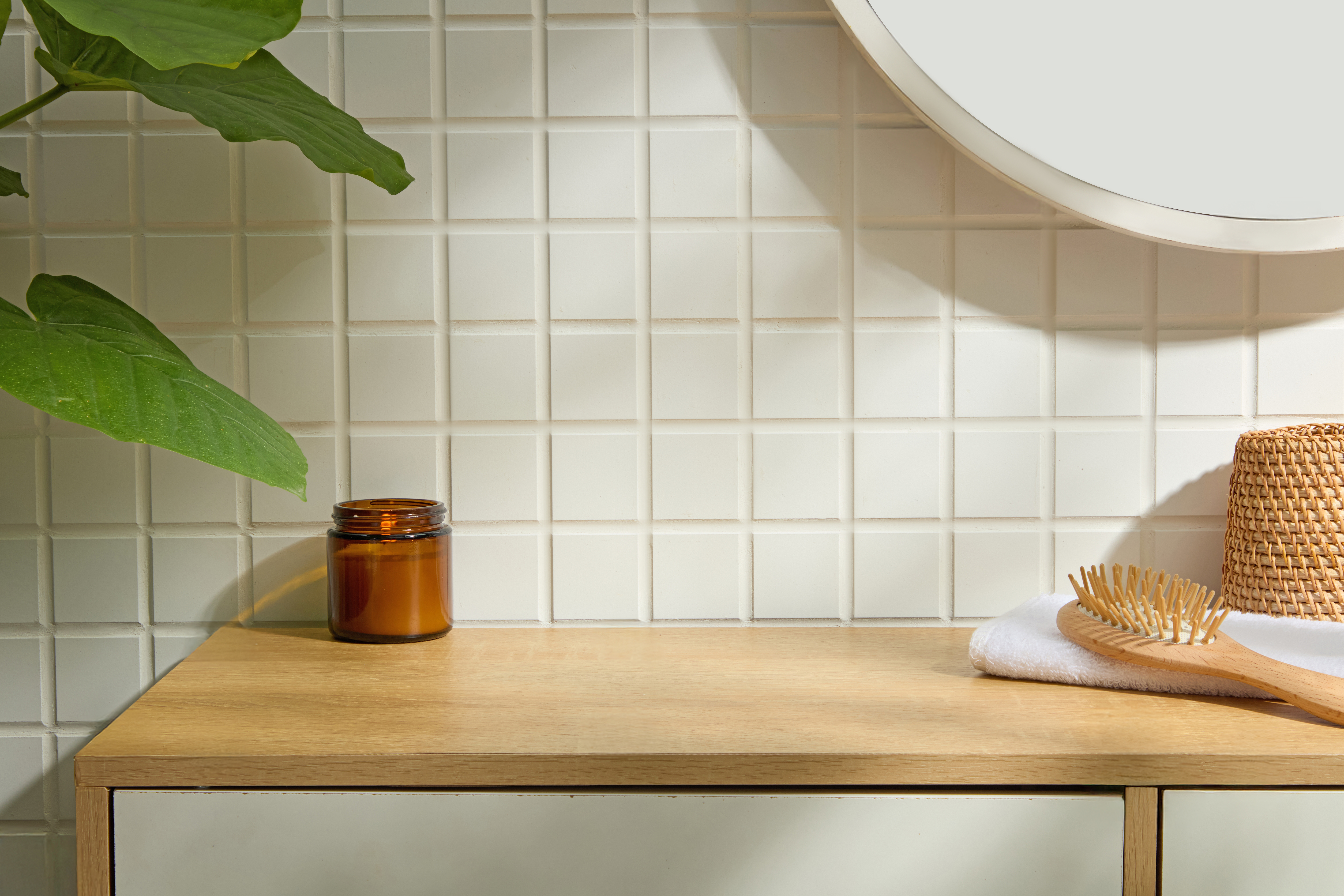
The layout and installation phase is where your vision comes to life. With the right guidance, you can achieve a flawless finish. Here’s how to make sure everything lines up perfectly.
Tile Coverage and Trowel Size Guide
Choosing the right trowel size is crucial for proper tile coverage. The general rule is: the larger the tile, the bigger the teeth. This ensures adhesive spreads evenly, holding your tiles securely. A common mistake is using the same trowel size regardless of tile type. Be specific and choose based on tile dimensions.
Planning Grout Joint Width
The width of your grout joints affects both the look and function of your tile. Wider joints can accommodate movement and variations in tile size. Discuss your preferences with your installer, but be open to their recommendations based on the tile you’ve chosen. It’s about finding the right balance for your project.
Ensuring Proper Shower Slope to Drain
Shower floors need a precise slope to channel water towards the drain. Without it, water pools, leading to mold and mildew. Always verify this before tiling starts. If your contractor skips this, consider it a red flag. Proper slope is essential for a functional and hygienic shower.
By following these guidelines, you can avoid the common pitfalls that lead to costly mistakes. Make informed decisions, and turn your remodeling dreams into a stunning reality. Remember, a little preparation now saves a lot of headache later.
Leave a Reply