
Most tile installations miss critical details in tile installation standards, leading to costly repairs and frustration. You might think your project is on track, but hidden errors in waterproofing membranes, substrate prep, or grout joints can cause failure down the line. I’ll show you exactly where these common mistakes happen and how to spot red flags before grout day—so you can protect your remodel and avoid expensive tear-outs. Read more on common commercial tile flooring installation problems and solutions.
Common Tile Installation Failures
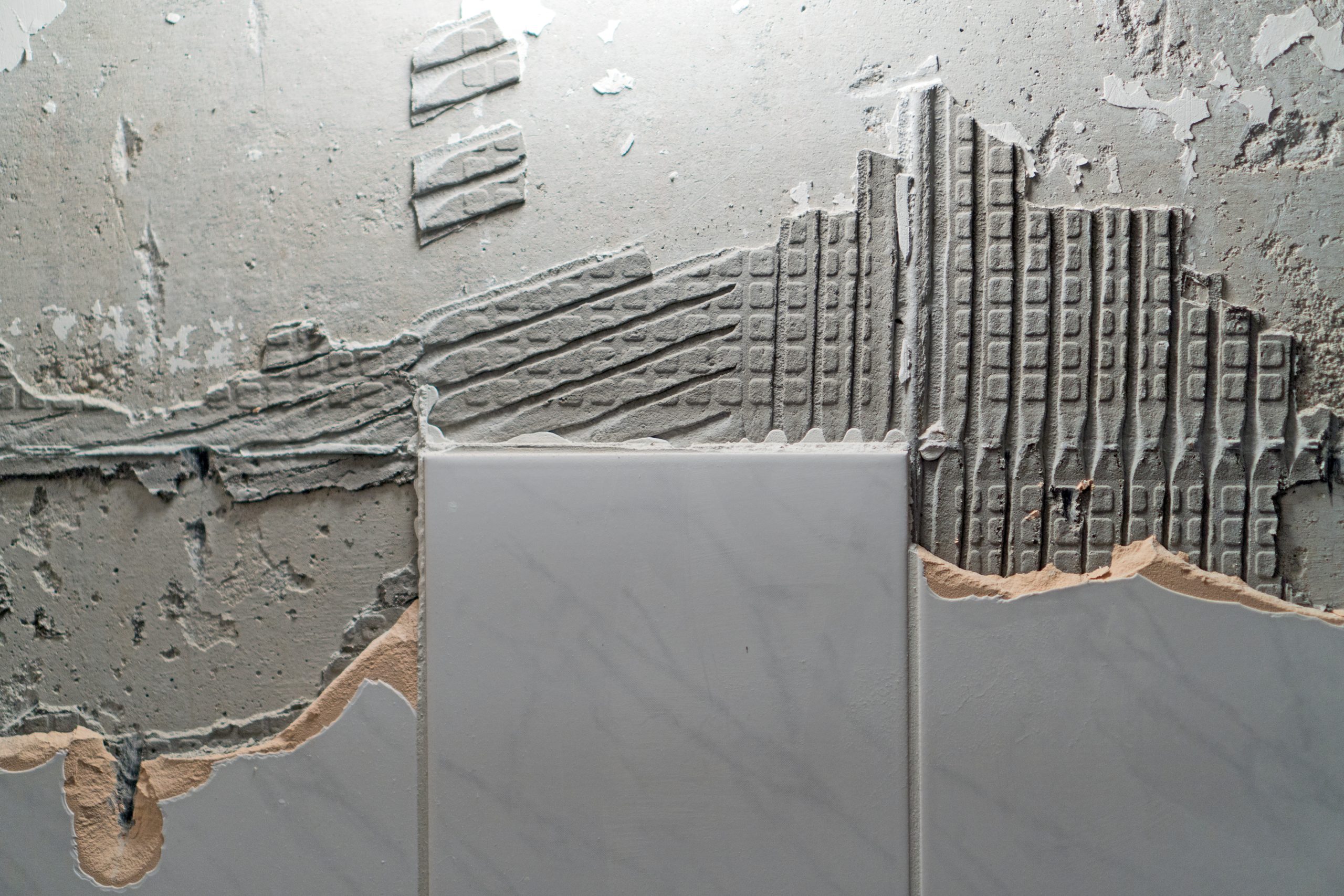
Tile jobs often go wrong long before you see any visible issues. Let’s explore where things typically fail so you can avoid them.
Spotting Red Flags Early
The first step in preventing tile failure is knowing what to watch for. Early detection can save you countless headaches later. When tiles are laid, it’s easy to assume the job is done right. But did you know that most tile jobs hide problems that might not show for years? It’s true. Many homeowners rely on looks, thinking, “If it looks good, it must be good.” But looks can be deceiving.
Understanding how to spot issues before they escalate is crucial. Check for things like uneven surfaces or missing waterproofing membranes. These are early indicators that something might be amiss. Always ensure that your installer follows proper methods. If you’re unsure, consulting with a tile expert could be your safeguard against future issues.
Understanding TCNA Guidelines
Knowing industry standards is your next defense. The Tile Council of North America (TCNA) sets these guidelines to ensure safety and durability in tile installations. Why do these matter? They help prevent failures like cracked tiles or water damage. Many assume that these guidelines are just suggestions, but ignoring them can lead to costly repairs.
Familiarize yourself with the TCNA rules. They cover everything from substrate preparation to thinset mortar coverage. Following these ensures your tiles aren’t just beautiful but long-lasting too. Want to delve deeper? Explore more insights on avoiding tile installation failures.
Importance of ANSI A108 Standards
The ANSI A108 standards complement TCNA guidelines. They outline specific requirements for materials and methods. But why is this important? Because compliance means your tile installation is done right the first time. Many overlook these standards, thinking they’re too technical. But understanding them can be your ticket to a flawless tile job.
These standards emphasize aspects like movement joints and grout joint size. Ignoring them can result in cracked tiles or grout failure. Knowledge of these standards empowers you to ask the right questions and ensure your installer is following best practices.
Preventing Costly Tile Mistakes

Now that you know what often goes wrong, let’s focus on how to avoid these pitfalls. Here’s how to protect your investment.
Key Waterproofing Techniques
Water is a tile’s worst enemy. Without proper waterproofing, tiles can fail, leading to costly damage. It’s not just about laying tiles; it’s about creating a barrier that keeps water out. Many think simply placing tiles is enough, but what about the unseen layers beneath?
Waterproofing membranes are essential. They prevent moisture from seeping into areas that can lead to mold or rot. Ensure your installer includes a shower pan flood test to check for leaks. This test is a non-negotiable step for any bathroom remodel. Understanding these techniques can save you from expensive errors later.
Effective Substrate Preparation
A solid foundation is key to a successful tile job. Substrate preparation is often overlooked but is crucial for durability. How often do homeowners think about what’s under their tile? Not enough. The base must be clean, flat, and properly primed.
Self-leveling underlayment can correct uneven floors, while a crack isolation membrane can prevent future issues. These steps may seem tedious, but they provide the stability your tile needs. Remember, a weak base leads to weak results. Prioritize this step for a long-lasting installation.
Ensuring Proper Mortar Coverage
Mortar coverage provides the grip your tiles need to stay in place. Without it, tiles can loosen or crack. Are you aware of how much mortar your tiles require? It varies based on size and type.
For larger tiles, LHT mortar (large and heavy tile) is recommended to prevent sagging. Achieving the right coverage often involves a trowel size and pattern specific to your project. Miss this step, and you might face tile lippage or hollow spots. Ensure your installer gets this right to avoid future disappointments.
Benefits of Independent Tile Consulting

Considering all these details might feel overwhelming. This is where expert advice can be invaluable.
Role of Tile Consultants
Tile consultants bridge the gap between homeowners and contractors. They offer unbiased insight based on years of experience. Why trust them? Because they don’t have a sales agenda. Their only goal is to protect your interests and prevent errors.
Consultants evaluate your plans and provide recommendations aligned with NTCA best practices. They ensure your project adheres to standards, offering peace of mind. With their help, you can navigate complexities confidently and avoid costly mistakes.
Pre-Installation Checks
Thorough checks before installation can prevent future headaches. Pre-installation checks identify potential issues early. Many skip this step, thinking it unnecessary, but it can save time and money.
Consultants assess everything from linear drain waterproofing to shower bench waterproofing. They ensure all requirements are met before work begins. This proactive approach can catch red flags and confirm your project is on the right track.
Scheduling Grout Day Inspections
Grout day is more than just filling spaces between tiles. It’s a critical point where things can go wrong. Scheduling inspections ensures everything is set for success. Many assume grout is foolproof, but it’s not.
Inspectors verify that grout joint size and caulk vs. grout at changes of plane are appropriate. They also check for proper sealing. These inspections can prevent common grout-related failures, ensuring your tile job withstands the test of time.
This post has equipped you with the knowledge to prevent tile installation mishaps. While these insights empower you to ask the right questions, consider consulting a tile expert for that extra layer of protection. Their experience can guide your project to success, offering you confidence and peace of mind.
Leave a Reply