
Picking the right tile isn’t about just liking how it looks. It’s about matching the tile to the room’s demands, your budget, and the reality of installation—so you don’t end up with delays or extra costs. After 35 years watching tile projects unfold, I’ll share a straightforward way to choose tile that fits all these pieces perfectly. Keep reading to avoid the mistakes I’ve seen trip up thousands of homeowners and pros alike. For additional insights, you may want to check out this guide on how to choose tile.
Selecting the Right Tile
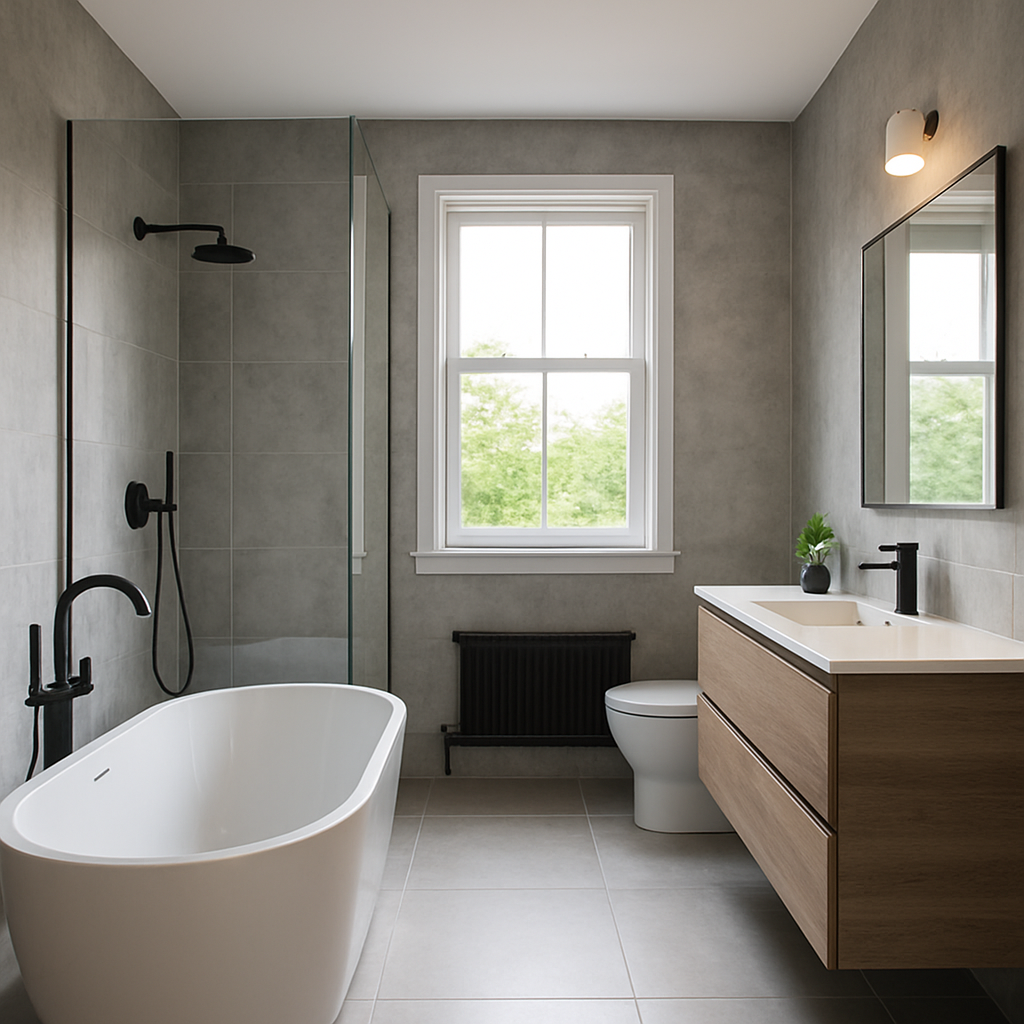
Finding the perfect tile isn’t just about aesthetics; it’s about understanding your space and how the tile will function within it. Let’s explore what you need to know about your room before picking a tile.
Understanding Room Requirements
Every room has its own set of demands. In a bathroom, moisture is a key concern, while kitchens need tiles that can handle spills and heavy foot traffic. Think about the room’s use: Will it be a high-traffic area or a cozy, less-used space? Consider materials like porcelain or ceramic for their durability in busy spaces. For more on choosing the right type of tile, you can check out this video.
Balancing Style and Function
Style shouldn’t come at the cost of practicality. Bold patterns might captivate, but if they don’t suit the room’s vibe or purpose, they’ll soon disappoint. Mix beauty with brains: Choose tiles that reflect your taste but also meet the practical needs of the room. For example, a shower floor mosaic can be both attractive and slip-resistant, ensuring safety without sacrificing style.
Tile Durability and Maintenance
A tile’s durability is crucial if you want it to last. The PEI rating tells you how well a tile can withstand wear and tear. Higher numbers mean more durability. Don’t forget maintenance: Some tiles need more care than others. Natural stone, while stunning, requires regular sealing, while porcelain is low-maintenance. Understanding these elements ensures your tiles remain beautiful and functional for years.
Budget-Friendly Tile Choices
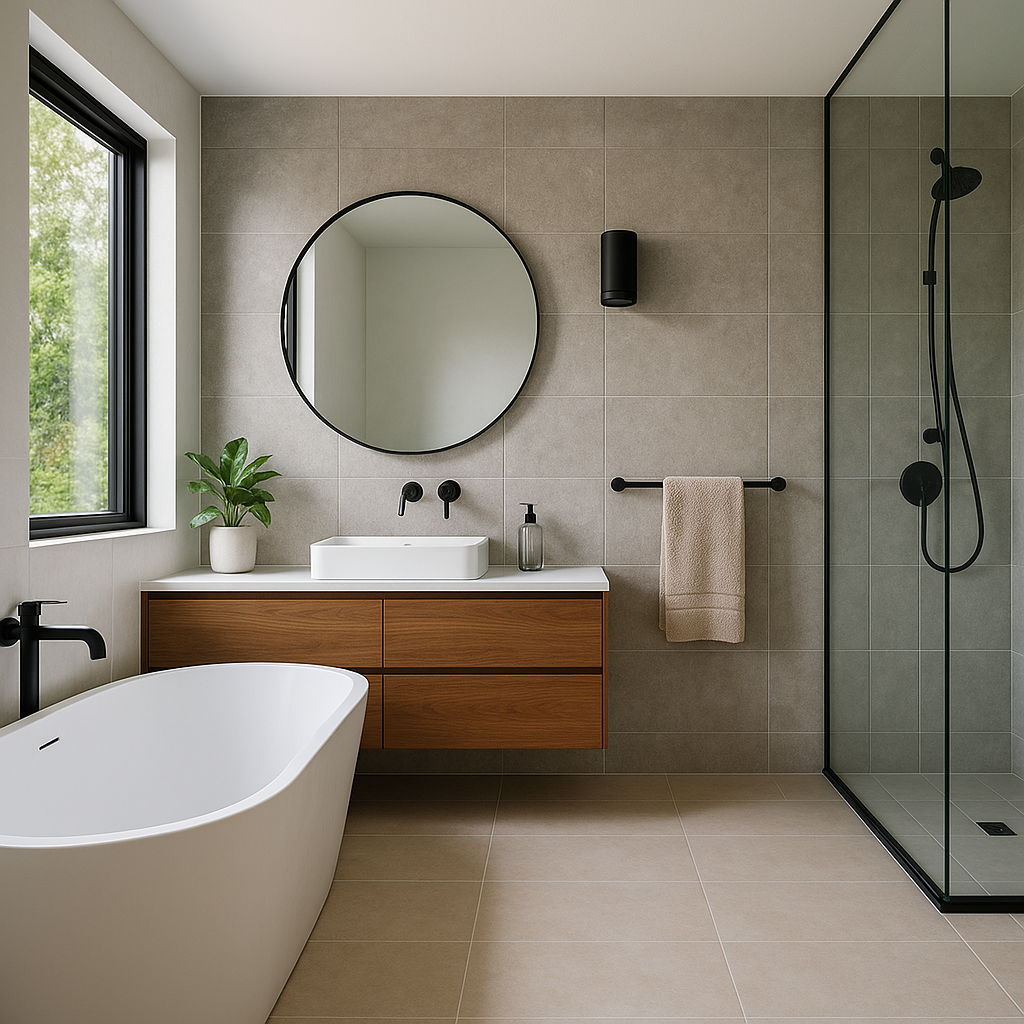
Choosing tiles that fit your budget doesn’t mean sacrificing quality. With a bit of planning, it’s possible to find options that meet your financial constraints while still looking great.
Tile Budget Planning Tips
First, set a realistic budget. Include costs for materials, labor, and any extras like grout or underlayment. It’s wise to keep a small buffer for unexpected expenses. Research prices before settling on a tile type. Porcelain vs ceramic: Porcelain is often pricier but offers greater durability, making it a long-term investment. This comprehensive tile buying guide is a great resource for understanding costs.
Value Engineering Tile Options
Value engineering isn’t about cutting corners; it’s about finding ways to save without compromising quality. Consider using premium tiles in smaller areas as accents, while opting for budget-friendly options elsewhere. Explore alternatives like rectified tile which allows for tighter grout joints and a sleek finish, enhancing even simpler designs.
Cost-Effective Tile Maintenance
Maintenance plays a role in a tile’s lifetime cost. Choose tiles that don’t demand constant upkeep. For example, glazed tiles resist stains better than unglazed ones. Regular cleaning with mild solutions can prolong the life of any tile, making your investment worthwhile.
Installation Best Practices
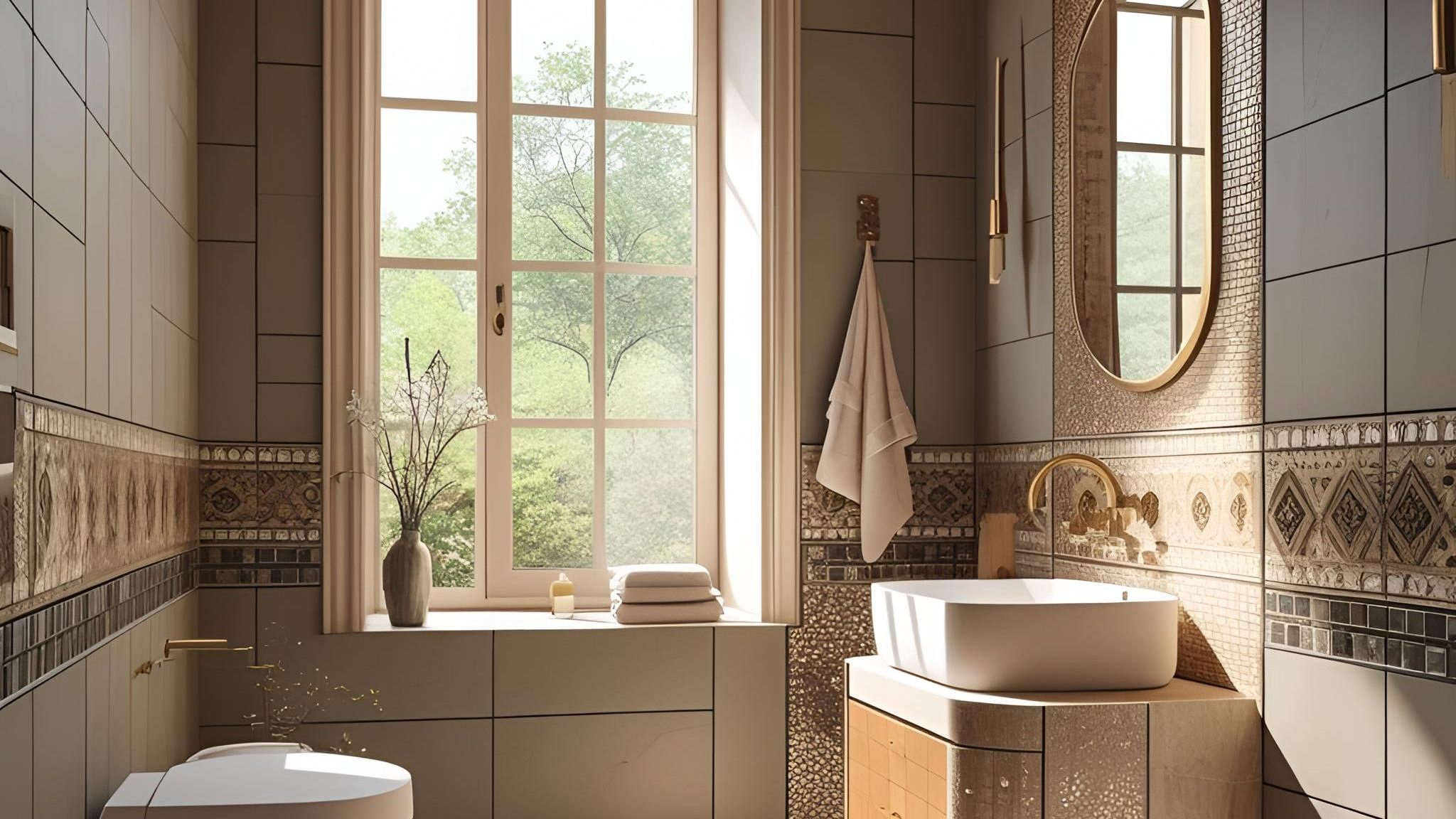
Proper installation is key to avoiding costly mistakes. Here’s how to set the stage for a successful tile project.
Preparing the Tile Substrate
A solid foundation is non-negotiable. Ensure the substrate is clean, level, and secure before laying tiles. Consider using an uncoupling membrane to prevent cracks and enhance durability. It’s a small step that can save big on repairs down the line.
Choosing the Right Grout Joint Size
The size of your grout joints can affect both appearance and performance. Smaller joints offer a seamless look but require precision. Larger joints can accommodate slight tile variations and are easier to work with. Make sure the grout is appropriate for the tile type and location to avoid issues like cracking.
Large Format Tile Installation Tips
Large tiles are trending but come with unique challenges. Ensure you have a flat substrate to avoid lippage, where tiles don’t align with each other. Movement joints are crucial to accommodate expansion and prevent cracks. This type of installation often requires a more skilled hand, so consider consulting with a professional who understands NTCA standards and ANSI A108 for the best outcome.
By following these guidelines, you equip yourself with the knowledge needed to make informed choices about your tile project. Remember, careful planning and understanding are key to avoiding common pitfalls and ensuring your tile installation is a success.
Leave a Reply