
Choosing tile isn’t just about picking a pretty pattern. The wrong tile can lead to costly delays, surprise expenses, and frustrating callbacks. This tile selection guide breaks down how to match your tile choice to the room, your budget, and the installation method—before you buy. With clear steps and real-world advice, you’ll avoid common remodel mistakes and make confident decisions that fit your project’s needs. For more information, you can check out this guide.
Matching Tile to Room Use
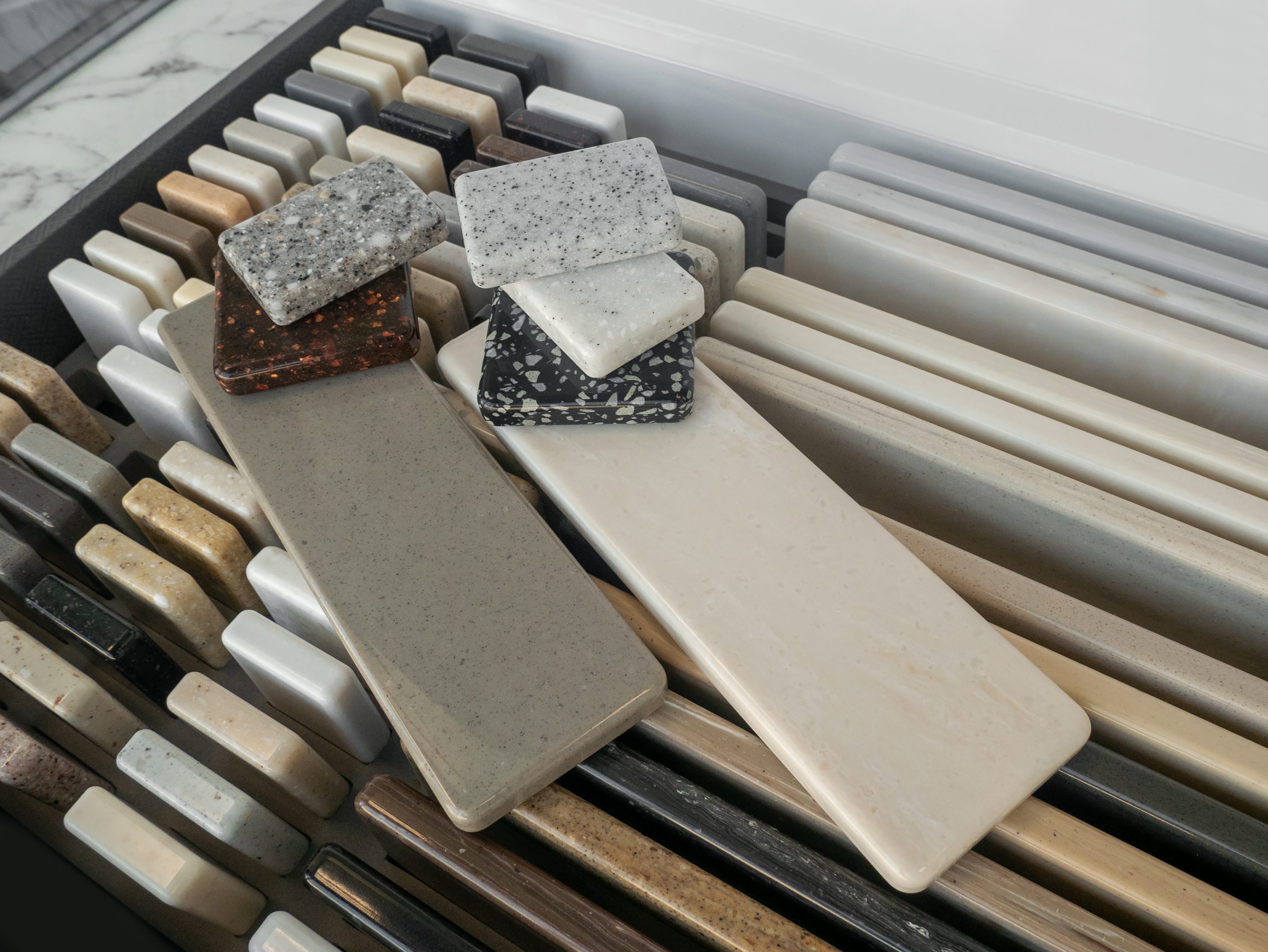
Finding the right tile for each room can be tricky, but it doesn’t have to be. Let’s explore how to make the best choice.
Consider Room-specific Needs
Every room has its own purpose, so your tile choice should match that. In a bathroom, water resistance is key. Choose ceramic or porcelain tiles since they handle moisture well. In the kitchen, durability matters. Go for tiles that can withstand drops and spills. High-traffic areas like hallways need tiles that resist wear and tear. Opt for hard-wearing materials like natural stone or porcelain. Remember: the right tile will save you headaches down the road.
Tile Selection Guide Essentials
Before you buy, think about tile materials. Porcelain and ceramic are great for wet areas, while stone adds luxury. Consider the size too: large tiles can make small rooms feel bigger. Don’t forget slip resistance, especially in wet spaces. Look out for the DCOF rating to ensure safety. Also, think about grout lines — smaller lines can look sleeker. Now you’re equipped with the basics to pick tiles that work for each room.
Kitchen Tile Planning Tips
Kitchens have unique demands. Your tiles need to be stylish and practical. Focus on surfaces that clean easily, like glazed or polished tiles. They resist stains and are simple to wipe down. Don’t overlook texture: a slight texture can prevent slips while cooking. Also, think about color and pattern. Light colors can make a kitchen feel airy, while darker tones hide dirt better. With these tips, your kitchen will be both beautiful and functional.
Balancing Budget and Style
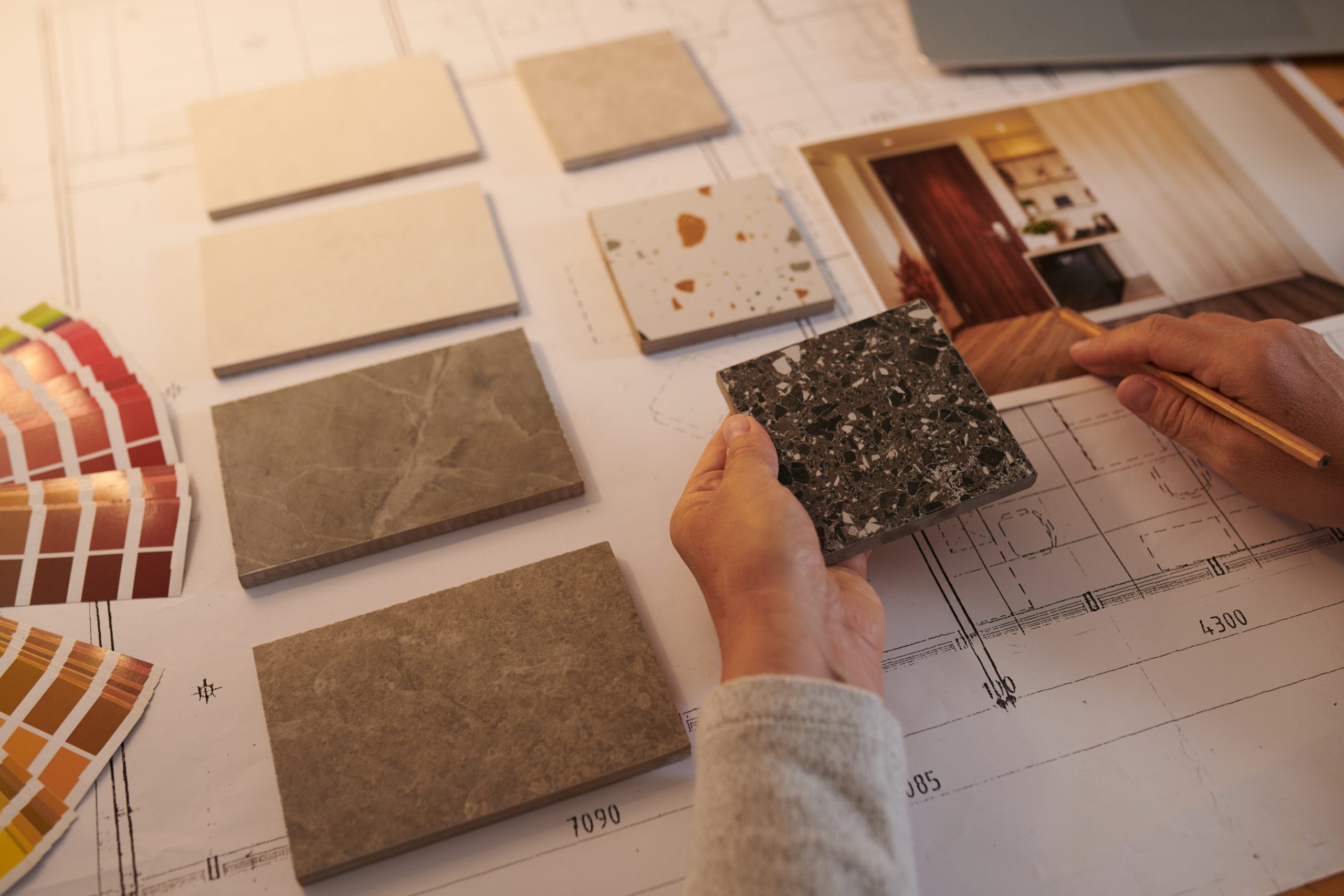
Striking the right balance between cost and aesthetics is vital. Let’s dive into how to achieve this without compromising.
Budget for Tile Installation
Setting a realistic budget is crucial. Consider material costs first. Ceramic is often cheaper than natural stone. Then, factor in installation. Labor can be pricey, so get quotes from multiple contractors. Remember, quality often saves money in the long run. Skimping on installation can lead to issues later. Plan carefully and stick to your budget for a smooth process.
Total Installed Cost Insights
Understanding the full cost helps in avoiding surprises. Besides the tiles, account for extras like grout, adhesive, and underlayment. Also, think about prep work. Substrate preparation can add to costs but is necessary for a solid install. Don’t forget to include taxes and delivery fees in your estimates. By knowing all these elements, you’ll avoid budget overruns and stay on track.
Practical Tips to Avoid Remodel Mistakes
Remodeling comes with challenges, but you can sidestep many pitfalls. First, always measure twice. Incorrect measurements lead to wasted materials and extra expenses. Communicate your vision clearly with contractors to avoid misunderstandings. Choose reputable professionals to prevent shoddy work. Lastly, familiarize yourself with common tile issues like lippage or poor coverage. Knowledge is your best tool to avoid costly mistakes.
Installation Considerations
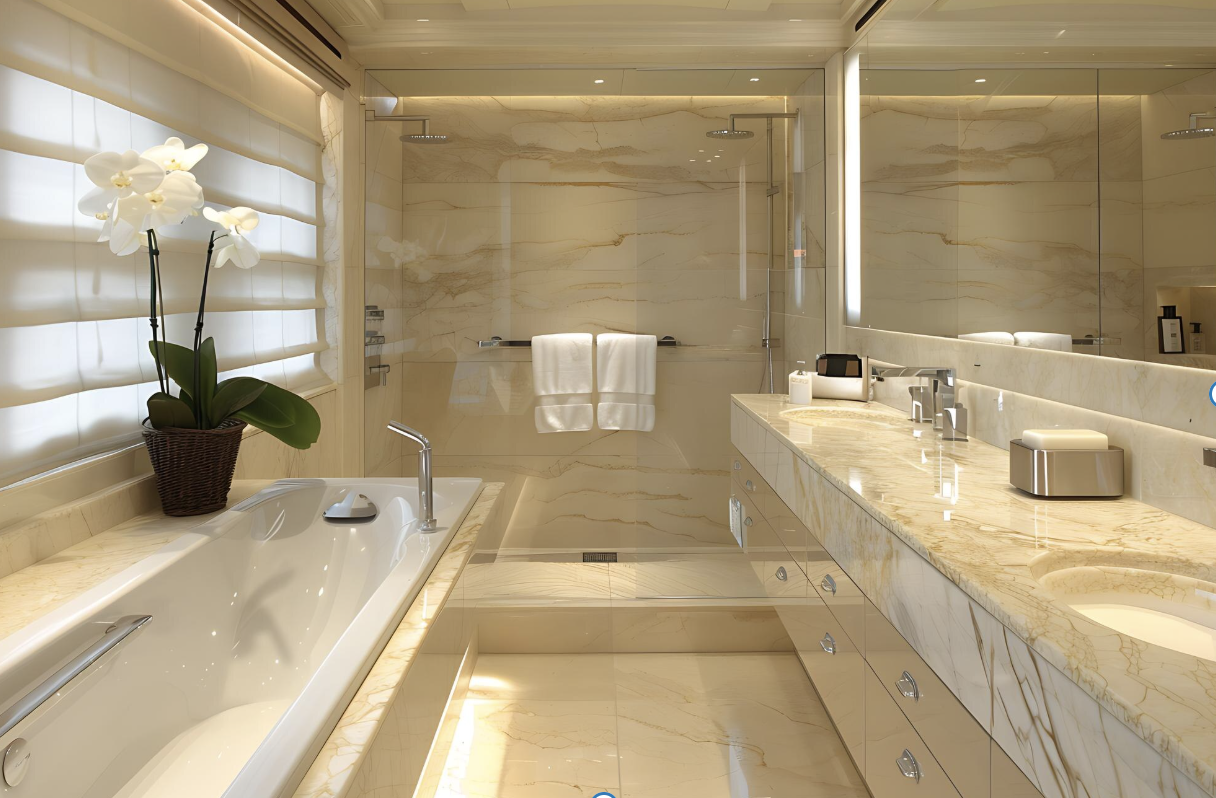
Proper installation is crucial for a lasting tile job. Let’s examine the essentials for a successful install.
Tile Substrate Preparation Basics
A solid base is key to a successful tile installation. Start by ensuring your substrate is clean, dry, and even. An uneven base can lead to cracked tiles. Use a leveling compound if needed. Certain areas might require an uncoupling membrane to prevent movement issues. Proper prep prevents common failures and ensures your tiles last for years.
Shower Waterproofing Standards
Waterproofing is vital in shower areas. Incorrect waterproofing can lead to leaks and mold. Use a waterproof membrane and follow ANSI A108 standards. Seal all corners and seams properly. Choose tiles that suit wet environments, like porcelain. Following these steps ensures your shower remains leak-free and durable.
Communication with Contractors
Clear communication with contractors is crucial for a smooth remodel. Discuss expectations before work begins. Be specific about your preferences, like tile layout and grout color. Ask about their process and materials to ensure they meet your standards. Regularly check progress to address any issues early. Good communication leads to fewer surprises and a project that meets your vision.
With these insights, you’re well on your way to making informed tile choices that suit your space, budget, and installation needs. Remember, planning ahead saves time and money, ensuring your remodel is a success!
Leave a Reply