
Most tile problems start long before the grout dries. You might trust your contractor, but without checking their work against tile industry standards like the TCNA Handbook and ANSI A108, costly mistakes can slip through. This guide gives you a straightforward tile installation checklist so you can spot issues early, protect your budget, and make sure your tile lasts for decades. Ready to take control of your project with clear, practical steps? Learn more about ANSI standards in the tile industry.
Tile Project Essentials
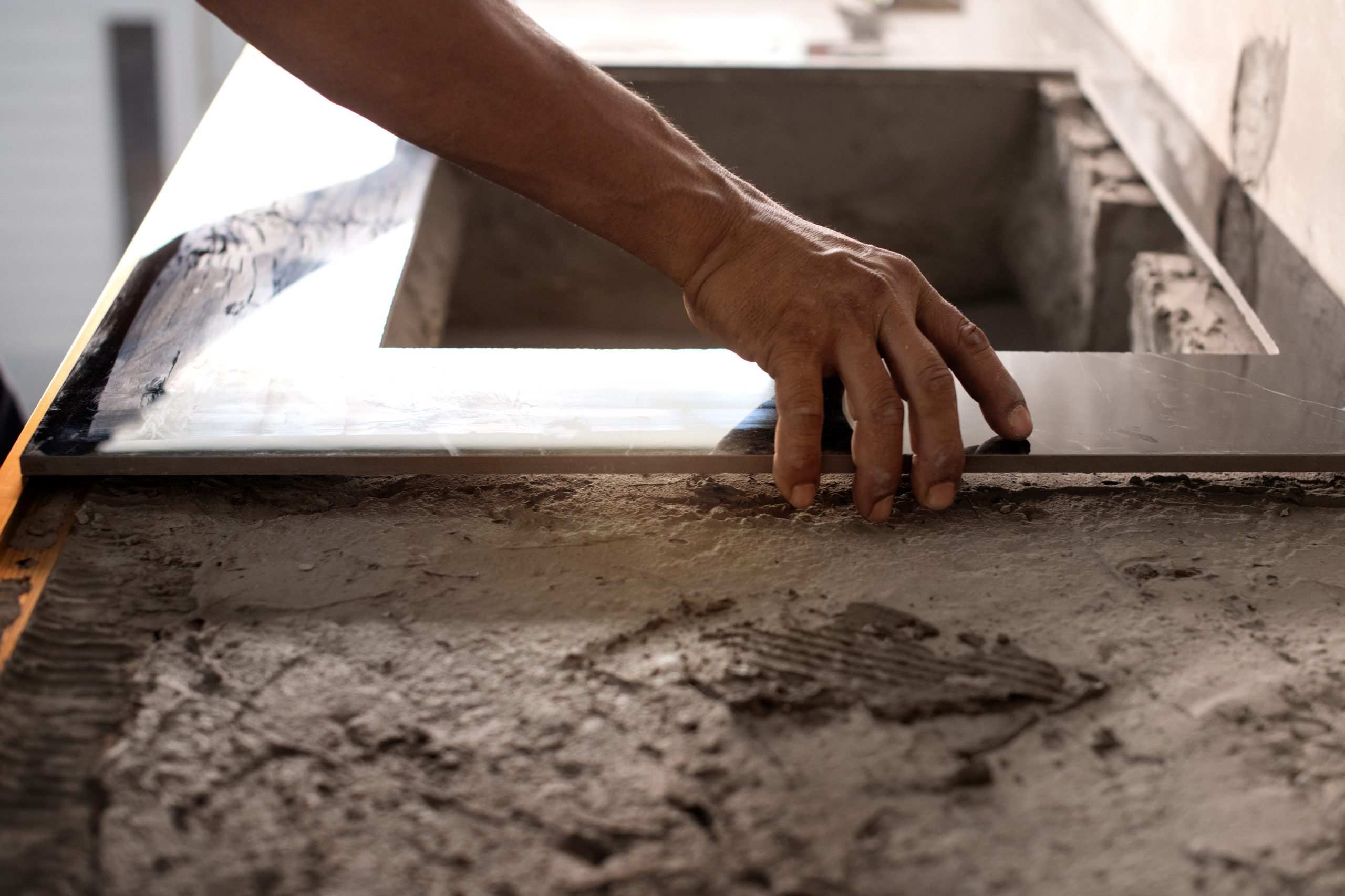
Starting with the essentials can save you time and money. Knowing the right standards helps you make better choices and avoid common pitfalls. Let’s dive into these crucial guidelines.
Understanding Tile Industry Standards
Tile industry standards are your project’s backbone. They ensure quality and durability. Familiarize yourself with the TCNA Handbook and ANSI A108. These standards cover everything from tile types to installation methods. By following them, you protect your investment. Most people think tile is just about looks, but the foundation matters most. Knowing these standards keeps your project on track and prevents problems before they start.
Key TCNA Handbook Guidelines
The TCNA Handbook offers comprehensive guidelines for tile installations. It covers aspects like choosing the right tile for your space and ensuring proper installation practices. This resource helps you understand why specific methods are recommended. For example, large format tiles require a different approach compared to smaller tiles. The handbook provides insights into surface preparation and adhesive selection, ensuring your tiles adhere properly and avoid future issues. Remember, a solid understanding of these guidelines sets your project up for success.
Essentials of the ANSI A108
ANSI A108 outlines critical installation procedures. These standards are designed to ensure long-lasting and stable tile installations. They detail the right materials and techniques for various tile types. With this knowledge, you can ensure your contractor follows industry best practices. Most people assume any tile job will last, but without adhering to these essentials, you might face premature failures. By insisting on ANSI A108 compliance, you safeguard your tiles and protect your investment.
Preventing Common Tile Failures
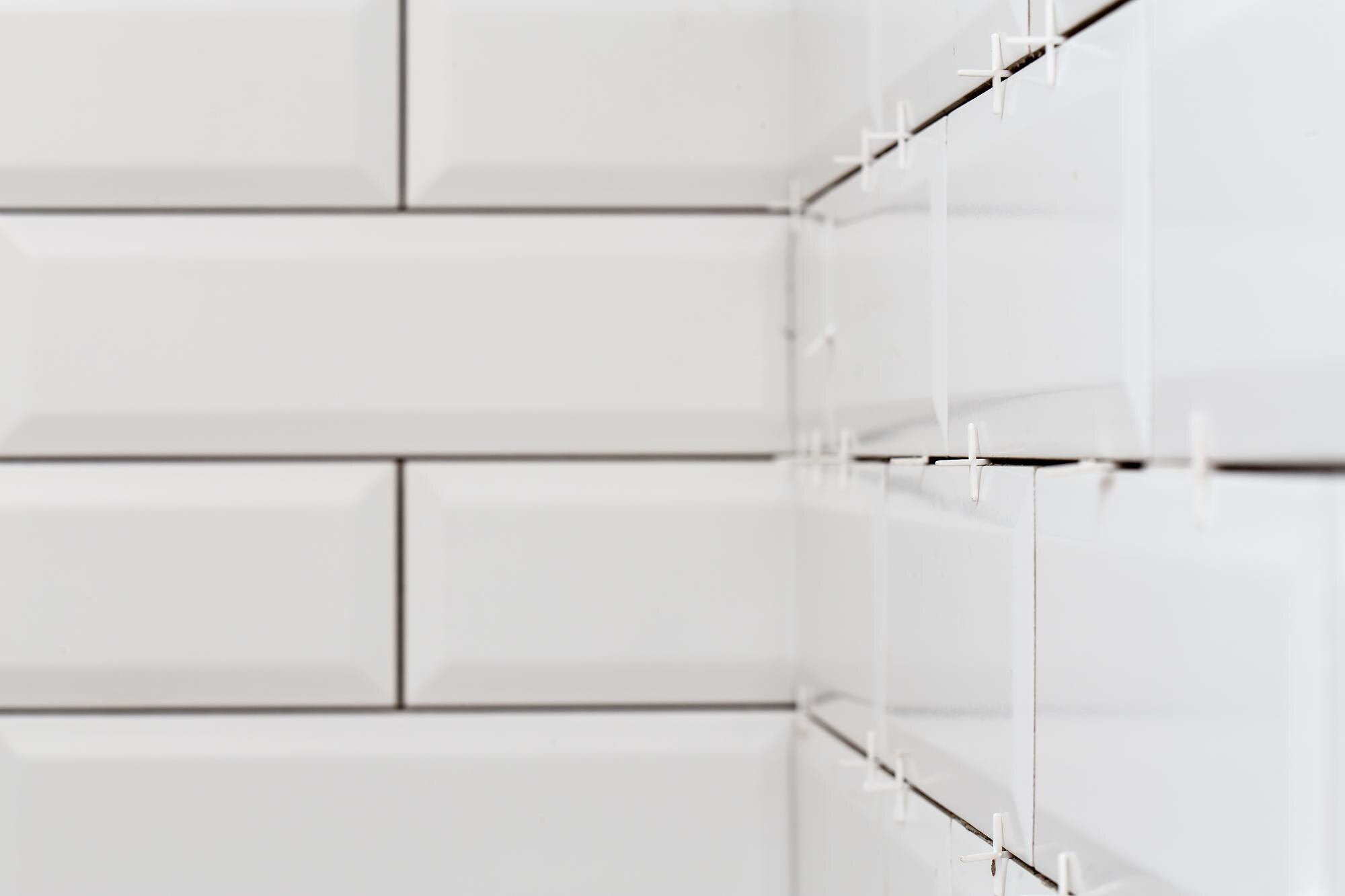
Preventing failures starts with understanding the root causes. Proper preparation and installation can save you from costly repairs down the line. Let’s explore how to ensure your tiles stand the test of time.
Importance of Proper Tile Substrate Preparation
Proper tile substrate preparation is crucial for a successful installation. Without a stable base, tiles can crack or become loose. It begins with ensuring the surface is clean, flat, and dry. A common misconception is that tiles alone provide stability. However, the substrate must be solid and well-prepared. Use backer boards or membranes to enhance stability. This step prevents issues like water damage and mold, ensuring your tiles last for years.
Exploring Tile Coverage Requirements
Tile coverage requirements are often overlooked. The right mortar coverage is vital for tile longevity. For large format tiles, aim for 80%-95% coverage. This ensures a strong bond and prevents hollow spots. Back buttering tiles is an effective technique to achieve this. By applying mortar to both the tile and the substrate, you increase adhesion. Most people assume tiles will stick with minimal effort, but proper coverage is key to avoiding future repairs.
Movement Joints and Expansion Joints TCNA EJ171
Movement and expansion joints are essential for accommodating structural shifts. Without them, tiles can crack or tent. TCNA EJ171 outlines the placement and size of these joints. They allow for expansion and contraction due to temperature changes. Most homeowners think tiles are rigid and unchanging, but buildings move. These joints act as safeguards, preventing damage from natural movement. Including them ensures your tiles remain intact over time.
Managing Contractors with Confidence
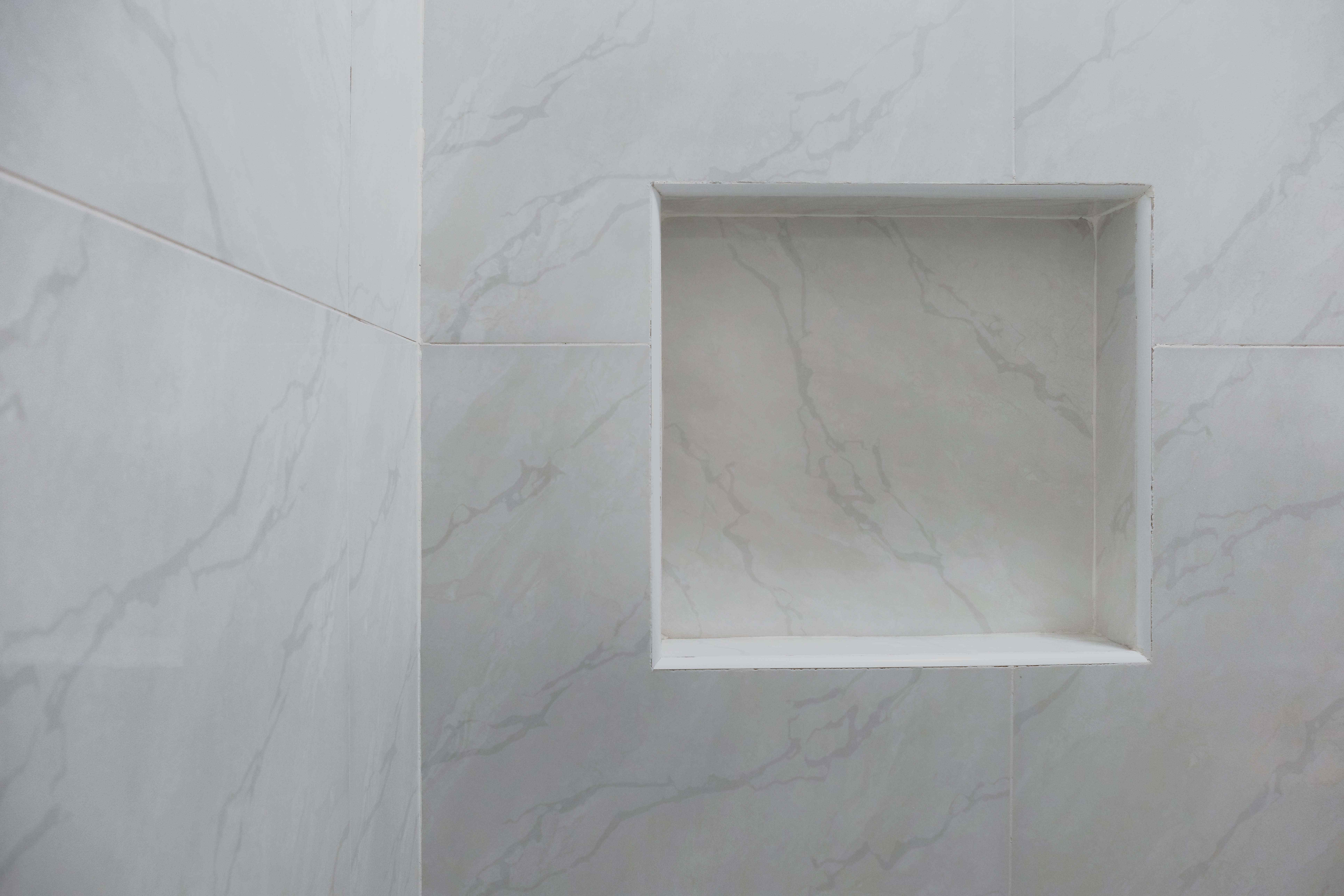
Managing contractors requires knowledge and confidence. By understanding key standards, you can communicate effectively and ensure quality work. Let’s explore how to oversee your project with assurance.
Navigating Shower Waterproofing Standards
Shower waterproofing standards are crucial to prevent leaks and water damage. Proper waterproofing involves using membranes and sealants to create a barrier. A slope to drain shower pan is essential for directing water flow. Many assume tiles alone provide waterproofing, but it’s the underlying layers that matter. Insist on a flood test shower pan to check for leaks before installing tiles. This step ensures your shower remains watertight.
The Role of an Independent Tile Consultant
An independent tile consultant can offer unbiased insights into your project. They ensure standards are met and provide expert advice. Many believe contractors always follow best practices, but having a consultant can highlight overlooked areas. They can conduct inspections and verify installations. This extra layer of oversight keeps your project aligned with industry standards, preventing future issues and giving you peace of mind.
Conducting an Effective Onsite Tile Inspection
Conducting an onsite tile inspection is a proactive step in managing your project. During an inspection, you’ll check for correct installation and adherence to standards. Look for deflection and subfloor requirements to ensure stability. Verify grout joints and lippage for a smooth finish. Most people trust the contractor’s word, but personal inspection reveals hidden issues. By taking this step, you gain control over your project’s outcome and prevent costly mistakes.
In summary, understanding and applying tile industry standards is crucial for a successful project. From substrate preparation to contractor management, each step plays a vital role in ensuring your tiles last for decades. Empower yourself with this knowledge and protect your investment from costly errors.
Leave a Reply