
Most tile remodel mistakes hide beneath the surface, quietly waiting to cause costly failures. With 35 years in distribution, I’ve seen the exact problems that trip up homeowners, contractors, and designers alike. This guide lays out clear, standards-based steps to help you spot hidden tile installation mistakes before demolition even starts, so your remodel stays on track and on budget.
Identifying Hidden Tile Installation Mistakes
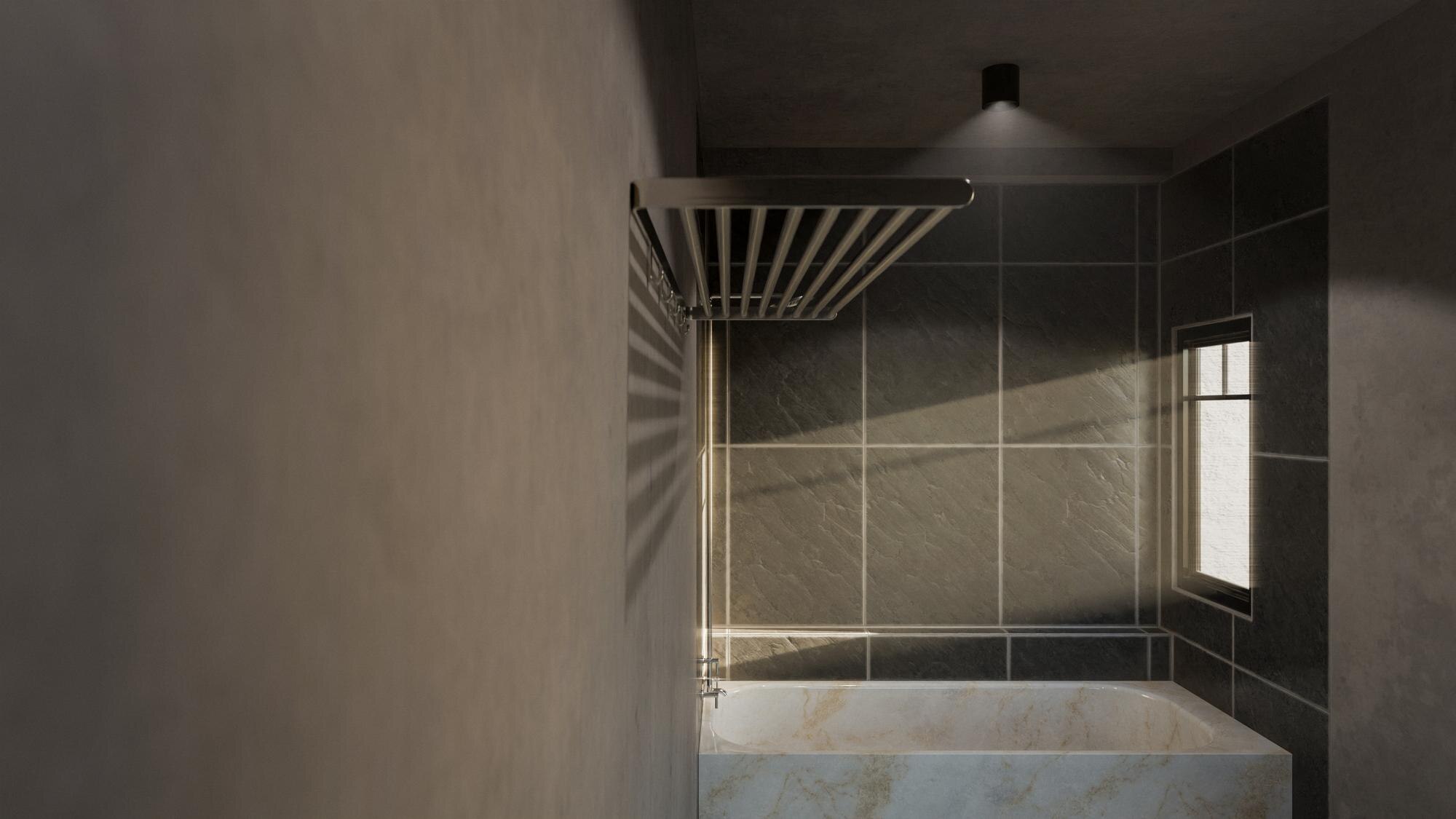
When it comes to tile installation, what you don’t see can cost you. Knowing how to spot and avoid common pitfalls is essential to keeping your remodel on track.
Common Tile Remodel Mistakes
Mistakes during tile remodels often go unnoticed until it’s too late. Many homeowners find themselves facing cracked tiles or loose flooring because of overlooked errors. The good news is, with some foresight, these problems can be avoided.
Cracking and Lifting: Most people think they can install tiles without issue, but ignoring substrate preparation is a major cause of cracking. Skipping this step can lead to tiles lifting over time. Always ensure your base is solid and flat to prevent this.
Water Damage: Another common issue is water seeping into areas it shouldn’t. When proper waterproofing isn’t applied, especially in bathrooms, the risk of water damage increases. Always prioritize waterproofing to protect your tile investment.
Recognizing Proper Tile Coverage
Tile coverage is not just about appearance. The right coverage ensures durability and longevity, preventing future issues.
Proper Spread: Using the right amount of mortar is crucial. Too little and your tiles won’t hold, too much and you waste resources. Ensure even coverage by spreading mortar with the correct trowel size.
Testing for Coverage: After laying a tile, lift it to check the backside. You should see uniform coverage without gaps. This simple step can save you from future headaches.
Avoiding Large Format Tile Lippage
Large format tiles are popular for their sleek look, but they come with unique challenges. Lippage, or uneven tile edges, is a common problem.
Leveling Tools: Consider using tile leveling systems. These tools help maintain even surfaces and prevent lippage. Don’t assume your eye can spot unevenness – tools exist for a reason.
Substrate Flatness: Your base must be perfectly flat for large tiles. Even minor dips can cause lippage. Use straight edges to check your substrate before starting.
NTCA Standards and Best Practices

Following industry standards is the backbone of successful tile projects. Let’s delve into the guidelines set by the NTCA and why they matter.
Importance of Shower Waterproofing
Waterproofing in showers is non-negotiable. A failure here can lead to costly repairs down the line.
Barrier Installation: Always install a water barrier beneath tiles in wet areas. This prevents moisture from seeping into walls and floors, stopping mold before it starts.
Shower Pan Flood Test: Before tiling, conduct a flood test on your shower pan. Fill it with water and leave it for 24 hours to ensure no leaks. This test is crucial for catching issues early.
Understanding Subfloor Preparation
A well-prepped subfloor is the foundation of a successful tile job. Without it, tiles can crack or become loose.
Flatness is Key: Ensure your subfloor is flat within 1/4 inch over 10 feet. Use leveling compounds if necessary. Remember, the longer you wait to fix this, the harder it becomes.
Movement Joints: Incorporate expansion joints to accommodate structural movement. This prevents tiles from cracking due to shifting.
ANSI Tile Standards Overview
Knowing the standards can make or break your project. ANSI provides the guidelines needed for quality assurance.
Adhering to Protocols: Familiarize yourself with ANSI standards. These cover everything from tile size tolerances to mortar mixing ratios. Being informed protects your investment.
Compliance Benefits: Following these standards ensures your tile installation can withstand daily wear and tear. It’s about longevity and peace of mind.
Practical Solutions for Common Issues
Every remodel brings its own set of challenges. Here’s how to tackle some of the most common issues effectively.
Grout Haze Removal Tips
Grout haze can mar even the finest tile work. Removing it quickly is essential for maintaining the look of your tiles.
Timing is Everything: Clean grout haze within 10 days of installation. Use a damp sponge and a mild cleaner to wipe away residue. Waiting too long makes it harder to remove.
Specialized Cleaners: If haze persists, consider using a specialized grout haze remover. These products are designed to break down stubborn residues without damaging tiles.
Selecting Mortar and Trowel
Choosing the right tools and materials affects the outcome of your project. Let’s ensure you make the best choices.
Mortar Matters: Match your mortar type to your tile and substrate. Different tiles require different mortars for optimal adhesion.
Trowel Choice: The trowel size affects coverage. Larger tiles need larger notches for better grip. Don’t underestimate this detail – it’s more important than it seems.
Benefits of Uncoupling Membrane
Uncoupling membranes offer a layer of protection for your tiles, helping them last longer.
Crack Isolation: These membranes prevent cracks in the substrate from transferring to your tiles. They’re a small addition with significant benefits.
Moisture Barrier: An uncoupling membrane also acts as a barrier against moisture, adding another layer of protection to your installation.
This guide gives you the insight needed to tackle a tile remodel with confidence. Remember, the key to success lies in the details, and being informed is your best tool.
Leave a Reply