
Most tile installation problems don’t show up until it’s too late—and the repair bills can run into the thousands. I’ve seen the top 5 tile installation mistakes cost homeowners more than they expected, from shower waterproofing errors to improper subfloor prep. Knowing what to watch for before work starts can save you time, money, and headaches. Let me guide you through these costly tile mistakes and how to avoid tile failure on your remodel. For more details, check out this resource: [https://setileconnection.com/5-tile-mistakes-homeowners-regret-and-how-to-avoid-them/].
Common Tile Installation Mistakes
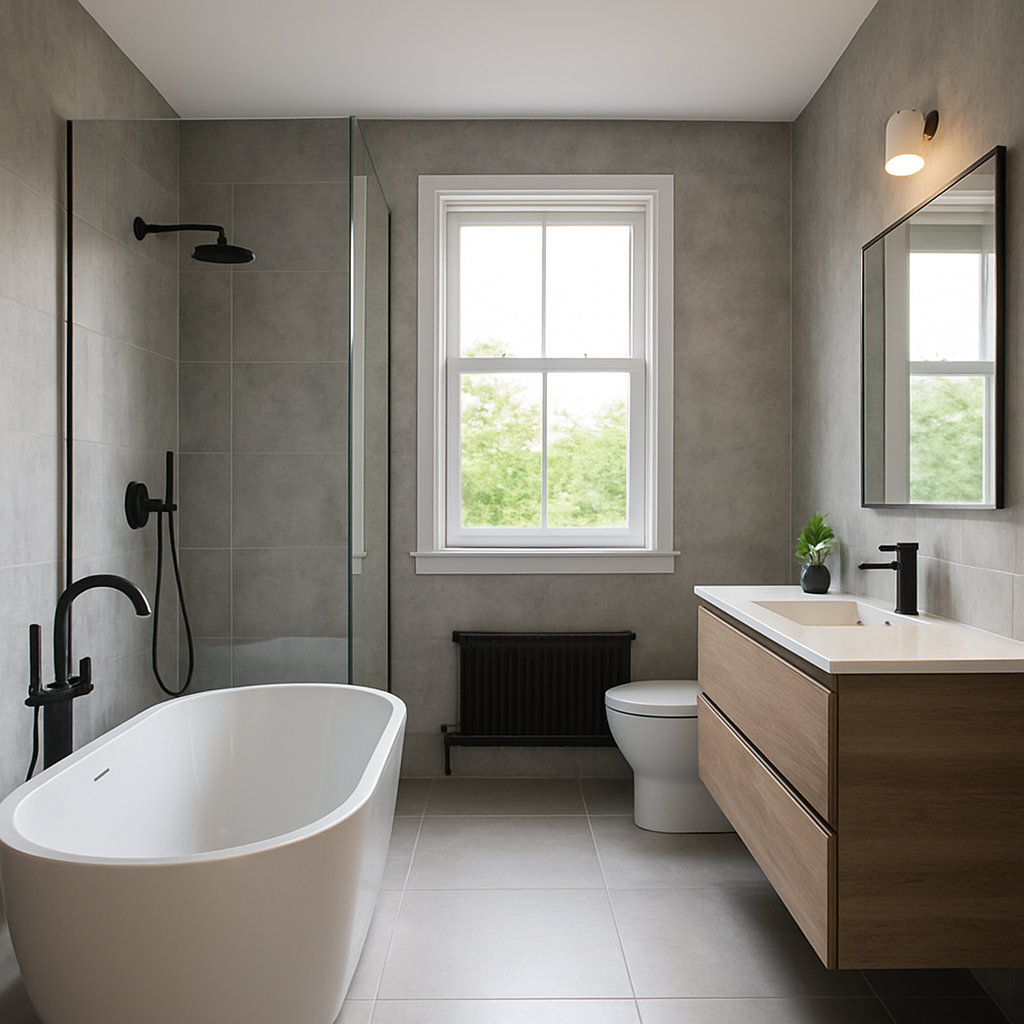
Every tile project starts with the basics, and getting the preparation right is crucial to success. Here are some foundational errors that can lead to disaster.
Improper Subfloor Preparation
Your tile may look stunning at first, but without a solid foundation, it won’t last. Having a flat, clean subfloor is key. A subfloor that isn’t level can cause tiles to crack or pop loose over time. Before laying tile, ensure the subfloor is free from debris and level. A mistake here can lead to cracked tiles and loose floors later on.
Moisture is another hidden enemy. If your subfloor absorbs water and swells, tiles can become unstable. Use a moisture barrier if needed, especially in areas with high humidity like kitchens and bathrooms. Consider checking out more on this issue at Premier Flooring.
Incorrect Waterproofing Techniques
Water can seep into places you wouldn’t expect, causing damage over time. In places like showers, correct waterproofing is a must. Skipping this step can lead to water damage, mold, and costly repairs.
Begin with a waterproof membrane. This step is crucial for areas exposed to water, such as bathrooms. Ensuring all corners and edges are sealed can prevent future leaks. Also, perform a flood test before tiling to check for leaks. This simple step can save you from major issues later.
Ignoring Movement and Expansion Joints
Tiles need room to breathe. Without space for movement, tiles can crack as they expand and contract with temperature changes. This is where expansion joints come in.
These joints allow for slight movements in the tile, preventing cracks. If ignored, you may see your tiles start to buckle or pop off. Make sure to include them, especially in large areas or rooms with significant temperature fluctuations. Remember, the longer you wait to address these issues, the more costly they become.
Tile Material and Technique Errors
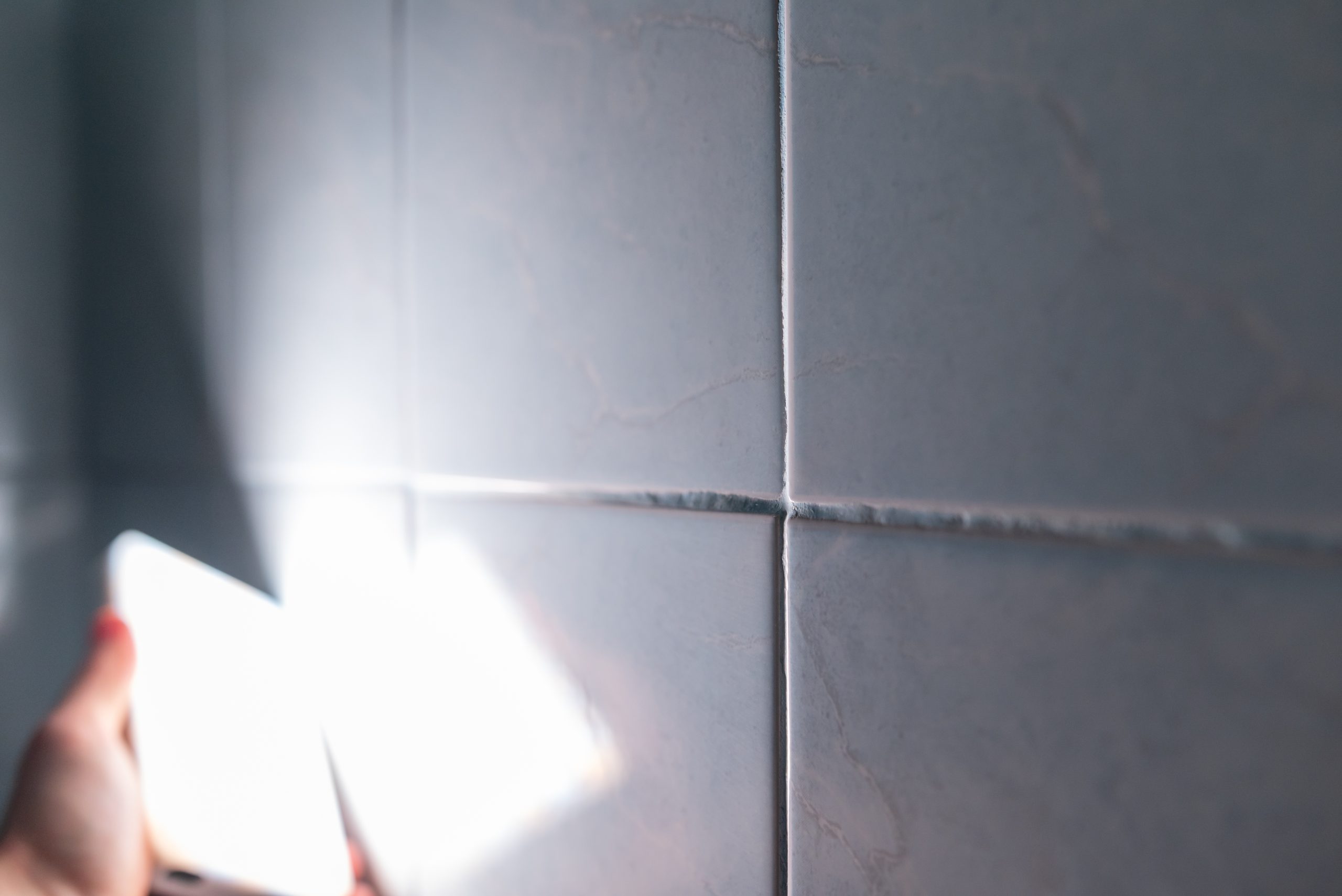
Choosing the right materials and employing proper techniques are essential. Mistakes here can undermine even the best prep work.
Choosing Thinset vs. Mastic
Selecting the right adhesive is crucial. Thinset and mastic serve different purposes. Thinset is cement-based and ideal for wet areas like showers. It’s durable and holds up well under moisture. Mastic, on the other hand, is an organic adhesive better suited for dry areas.
Using mastic in a wet area can lead to tile failure, as it isn’t waterproof. For most floor and bathroom applications, thinset is the better choice. Knowing when to use each can prevent future headaches and repairs.
Neglecting Back-Buttering and Mortar Coverage
A strong bond is essential for tile durability. Back-buttering involves applying a layer of thinset to the back of each tile before setting it. This ensures 95 percent mortar coverage, which is crucial for preventing hollow spots.
Without proper coverage, tiles can pop loose or crack. Back-buttering might seem like extra work, but it improves the bond significantly. For large tiles or those in heavy traffic areas, this step is non-negotiable.
Misjudging Trowel Size and Technique
The size and shape of the trowel not only affect how well your tiles stick, but also the level of the finished surface. Using the wrong trowel can lead to uneven tiles and lippage, which is when adjacent tiles have differing heights.
Choose a trowel that matches the tile size and material. A larger tile may require a larger notch to ensure adequate thinset coverage. Proper technique here keeps tiles level and secure, preventing future problems.
Post-Installation Blunders
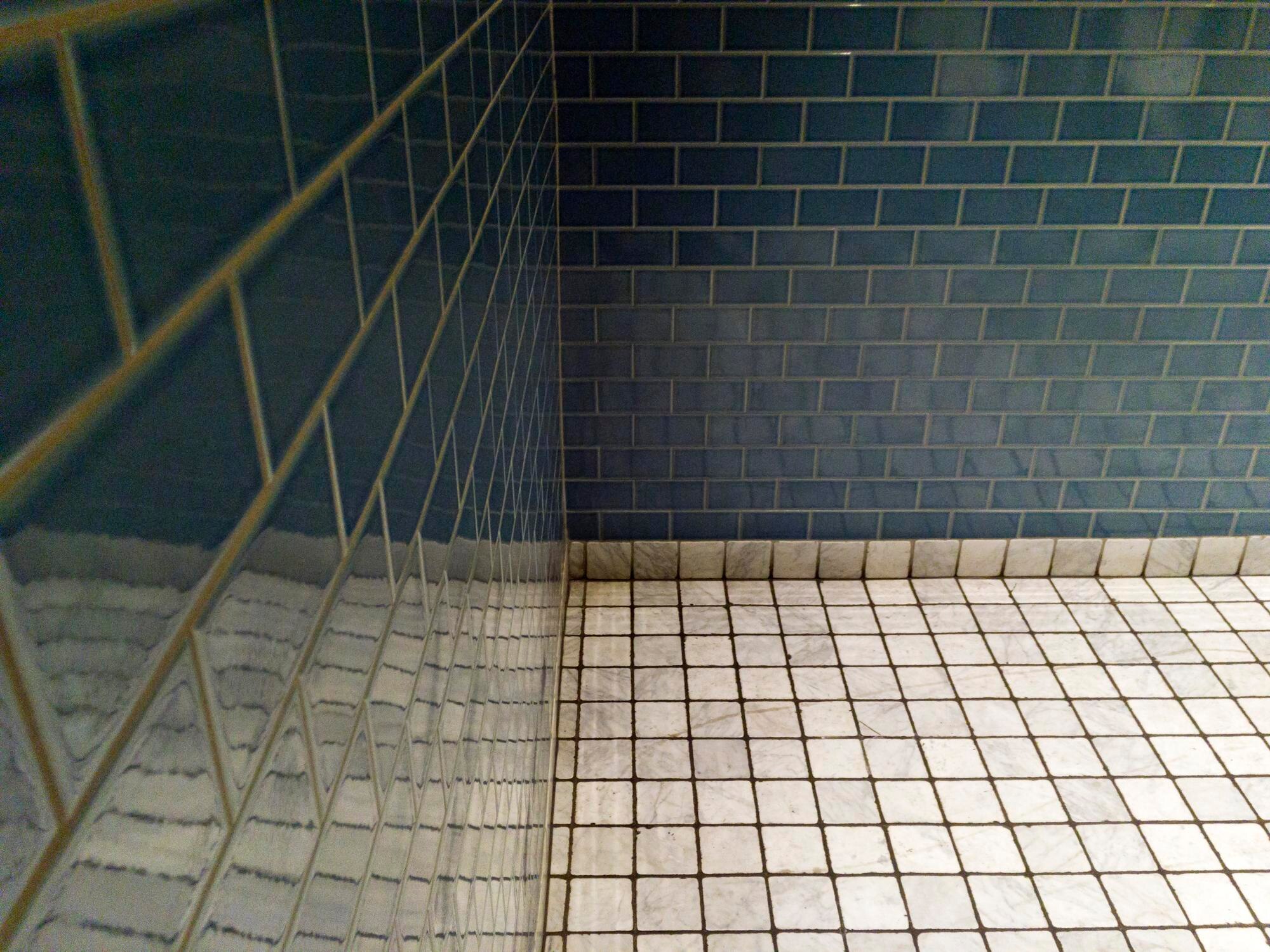
Even after the tiles are set, some mistakes can still happen. Paying attention to the finishing touches ensures a long-lasting and beautiful installation.
Grout Haze and Lippage Issues
After grouting, a common problem is grout haze—an unsightly film left on the tiles. This can be avoided by cleaning tiles thoroughly after grouting. Use a damp sponge and wipe diagonally across tiles to prevent haze from settling.
Lippage, where tiles aren’t level with each other, often stems from improper trowel technique or subfloor issues. Addressing these during installation ensures a smooth, professional finish.
Failure in Shower Pan and Membrane
A shower pan is your first line of defense against leaks. Poor installation can result in water seeping through and causing damage. Ensure the pan is sloped towards the drain and that the membrane is intact. Conduct a flood test to catch leaks before they become a problem.
For a deeper dive into avoiding these pitfalls, check this link.
Overlooking Large Format Tile Challenges
Large tiles are popular, but they come with specific challenges. They require a perfectly level surface and proper handling to avoid cracking. The weight and size can lead to increased stress on the tile if not handled correctly.
For large format tiles, ensure the subfloor is completely level, and use a leveling system during installation. This prevents lippage and ensures a stable, beautiful floor. Proper care and technique will save you from potential issues down the road.
By understanding these common mistakes, you can safeguard your investment and enjoy a flawless tile installation. Prioritize getting the basics right, and the rest will follow. For more guidance and to avoid these costly tile mistakes, consider a virtual consultation with an experienced professional.
Leave a Reply